
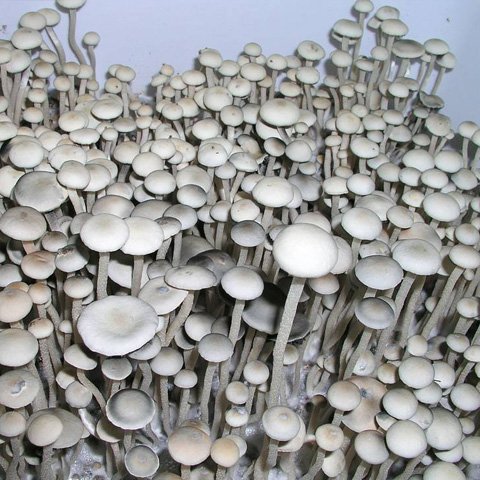
Description
Jamaica Spores: Mycology, Taxonomy and Scientific Background
Introduction to Jamaica Spores
Jamaica has an established place in the historical study of Caribbean fungi. Published mycological research has documented Psilocybe cubensis in Jamaica, alongside records from other Caribbean islands.
The term Jamaica Spores is a geographical designation rather than a recognised scientific species name. Understanding the difference between geographical labels, informal variety names and formal fungal taxonomy is important when interpreting historical research and modern descriptions.
This educational guide explores the history of mycological research in Jamaica, the taxonomy of Psilocybe cubensis, fungal spore biology and scientific identification.
Historical Mycological Records from Jamaica
Research published in the scientific journal Mycologia has identified Psilocybe cubensis as one of the species reported across the Caribbean region, including Jamaica.
A separate Caribbean research study describes field investigations conducted in Jamaica, the Dominican Republic and Puerto Rico between 1994 and 2000. These investigations contributed to the scientific documentation of fungal diversity in the region.
Historical records are valuable because they help researchers understand fungal distribution and biodiversity. However, a geographical reference does not automatically establish the provenance or genetic identity of every specimen associated with that location.
Understanding Psilocybe cubensis
Psilocybe cubensis is a formally recognised fungal species within the genus Psilocybe. Its scientific name is recorded in established taxonomic databases.
Scientific classification provides a consistent way to identify and discuss organisms. It is different from informal names that may be used by collectors, online communities or commercial descriptions.
Research into this species includes taxonomy, morphology, ecology, genetics and the chemistry of naturally occurring fungal compounds.
What Are Fungal Spores?
Spores are reproductive structures produced by fungi. They are an important part of fungal biology and contribute to the reproduction and dispersal of fungal organisms.
In scientific research, spores are examined as part of wider studies into fungal classification, biodiversity and evolutionary relationships.
Microscopic investigations may document features such as:
- Spore shape and structure.
- Cell-wall characteristics.
- Surface appearance.
- Microscopic dimensions.
- Differences between documented specimens.
Individual observations should be interpreted alongside other scientific evidence rather than treated as definitive identification on their own.
Jamaica and Caribbean Fungal Biodiversity
The Caribbean contains a diverse range of fungal habitats and ecological environments. Jamaica’s natural ecosystems form part of this wider regional biodiversity.
Historical research into Caribbean Psilocybe species has helped document the distribution of several recognised fungal taxa. These studies also demonstrate that the genus contains more than one species, making accurate scientific classification particularly important.
A country name used in informal mushroom terminology should therefore not be confused with a formal taxonomic classification.
Scientific Identification and Genetic Research
Modern fungal identification can involve morphological examination, DNA sequencing and comparisons with authenticated reference specimens.
These approaches are important because historical specimen labels and visual similarities do not always provide reliable identification.
Scientific research has documented cases of misidentification among preserved Psilocybe specimens, demonstrating the importance of careful taxonomic verification and reliable reference material.
Consequently, the name Jamaica Spores should not be treated as proof of a distinct genetic lineage or independently verified geographical origin.
Geographical Names and Informal Variety Labels
Fungal names can describe different types of information:
Scientific species name: A formal taxonomic designation, such as Psilocybe cubensis.
Geographical designation: A name referring to a country or region associated with a historical report or informal label.
Informal variety name: A community or commercial term that may not have formal taxonomic recognition.
Verified specimen identity: An identification supported by appropriate scientific evidence and documentation.
Keeping these categories separate helps prevent unsupported claims about origin, genetics and classification.
Responsible Scientific Information
Accurate mycological information should distinguish published research from anecdotal descriptions and unverified commercial claims.
Claims about genetic uniqueness, geographical provenance, chemical composition or specific specimen characteristics require reliable supporting evidence.
This article is intended for educational and scientific reference. It does not provide instructions for cultivating, preparing or consuming controlled psychoactive substances.
UK Legal Considerations
The legal position of fungi and related materials depends on the substance and circumstances involved. In the UK, psilocybin and psilocin are controlled under the Misuse of Drugs Act 1971.
A geographical label or product description does not determine the legal status of an item. Anyone seeking clarification about a particular substance or specimen should consult current legislation or a qualified legal professional.
Frequently Asked Questions
Is Jamaica a recognised species of mushroom?
No. Jamaica is a geographical name, not a formal scientific species classification.
Is Psilocybe cubensis documented in Jamaica?
Yes. Published Caribbean mycological research identifies Psilocybe cubensis among the species reported from Jamaica and other Caribbean locations.
Does Jamaica Spores mean a genetically distinct variety?
The geographical name alone does not establish a distinct genetic lineage. Such claims require independent scientific evidence.
What are fungal spores?
Spores are reproductive structures produced by fungi. They are studied in mycology to understand fungal reproduction, classification and biodiversity.
Why is fungal taxonomy important?
Taxonomy provides a standard scientific system for naming and classifying organisms. It helps researchers distinguish recognised species from informal names and geographical labels.
Does a geographical product name prove provenance?
No. A geographical label does not independently verify where an individual specimen originated.
Conclusion
Jamaica has a documented place in Caribbean mycological research, including historical reports of Psilocybe cubensis. These publications contribute to the scientific understanding of fungal biodiversity and distribution across the region.
The distinction between geographical labels and formal scientific taxonomy remains essential. Reliable identification depends on appropriate scientific evidence, careful documentation and recognised classification methods.
This article is provided for educational and scientific reference purposes only.
Reviews
There are no reviews yet.