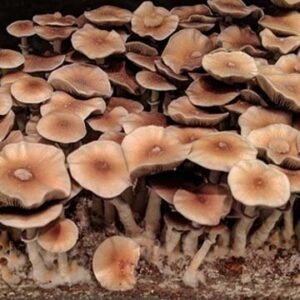
SPORE
Mushroom Spore Cultivation – Mycology, Biology and Scientific Research
Mushroom spore cultivation is a subject connected to the wider study of fungal biology, reproduction and biodiversity. Spores are fundamental to the life cycles of fungi, and their characteristics help researchers understand fungal classification, species diversity and ecological relationships.
This educational category explores mushroom spores, fungal taxonomy, microscopy and scientific research. It also introduces the differences between edible mushroom species, medicinally researched fungi and species subject to legal controls.
Understanding Mushroom Spores
Mushroom spores are microscopic reproductive structures produced by fungi. They play an important role in fungal reproduction and contribute to the distribution and diversity of different species.
Spore characteristics vary considerably across the fungal kingdom. Researchers may examine their shape, size, colour and microscopic structure when studying fungal classification.
Two major groups of spore-producing fungi are:
- Basidiomycota: Includes familiar mushrooms that produce basidiospores on specialised structures called basidia.
- Ascomycota: Includes fungi that produce ascospores inside microscopic sac-like structures called asci.
Understanding these differences provides a foundation for mycological research.
Mushroom Spore Cultivation and Fungal Science
The subject of mushroom spore cultivation covers several areas of scientific interest, including fungal reproduction, taxonomy and species identification.
Different mushroom species have different biological characteristics. Their classification, ecological relationships and reproductive structures are important considerations in mycology.
Scientific research also distinguishes between species that are recognised as edible fungi and species that contain controlled psychoactive substances. These categories should not be confused.
The Importance of Fungal Identification
Accurate identification is essential when studying mushrooms. Common names and informal variety labels do not always correspond to formally recognised scientific species.
Mycologists use several forms of evidence when classifying fungi, including:
- Scientific taxonomy and published descriptions
- Macroscopic physical characteristics
- Microscopic spore structures
- Documented geographical records
- Molecular and genetic research
A name or photograph alone cannot reliably establish the identity, origin or characteristics of a fungal specimen.
Edible Mushroom Species and Research
Edible mushrooms are an important subject in food science, nutrition and mycology. Species such as oyster mushrooms, shiitake and morels have received scientific attention for their biological characteristics and culinary importance.
Research into edible fungi examines their nutritional composition, ecological roles, classification and food safety.
Correct identification is essential. Some mushrooms can resemble other species, and even recognised edible mushrooms may require appropriate food preparation.
Microscopy and Mushroom Spore Research
Microscopy provides researchers with a way to examine fungal structures that cannot be observed clearly with the naked eye.
Microscopic research can contribute to understanding:
- Spore morphology
- Fungal reproductive structures
- Species classification
- Differences between fungal groups
- Fungal biodiversity
Microscopic observations are often considered alongside other taxonomic evidence rather than used as the sole basis for identification.
Legal and Responsible Mycological Research
The legal status of mushroom species varies according to their biological characteristics and the laws of the relevant country.
In the United Kingdom, psilocybin and psilocin are controlled substances. Fungi containing psilocin or an ester of psilocin are also covered by UK controlled-drug legislation.
It is important not to assume that a product described as spores is automatically lawful for every purpose or activity. Anyone researching controlled species should consult current legislation and appropriate legal guidance.
Frequently Asked Questions
What are mushroom spores?
Mushroom spores are microscopic reproductive structures produced by fungi. They are important to fungal reproduction, diversity and scientific classification.
Why are spores studied under a microscope?
Microscopy allows researchers to examine features such as spore shape, size and structure. These observations can contribute to the identification and classification of fungi.
Are all mushroom spores the same?
No. Spore characteristics differ between species and major fungal groups. Basidiomycetes and ascomycetes, for example, produce different types of reproductive structures.
What is the difference between a species and a variety name?
A species is a formal taxonomic classification. A variety or strain name may be informal and does not necessarily represent a scientifically verified genetic group.
Are all mushroom species edible?
No. Some fungi are edible, others are inedible or poisonous, and some contain controlled substances. Accurate identification and awareness of applicable laws are essential.
Explore Mycology and Fungal Diversity
Mushroom spore research provides valuable insight into fungal reproduction, classification and biodiversity. Exploring the science behind different fungal groups helps build a clearer understanding of the natural world and the importance of accurate identification.
This category is intended as an educational resource for fungal biology, taxonomy, microscopy and responsible scientific research.
Showing 1–9 of 20 results
-

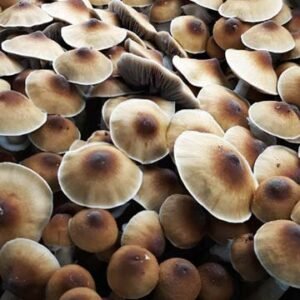
Alacabenzi Spores
Price range: £20.00 through £150.00 Quick View -
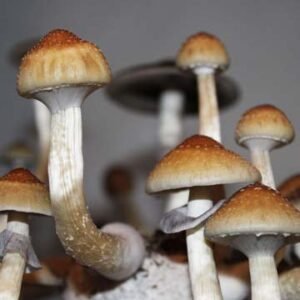
B+ Spores (B Plus Spores)
Price range: £20.00 through £150.00 Quick View -
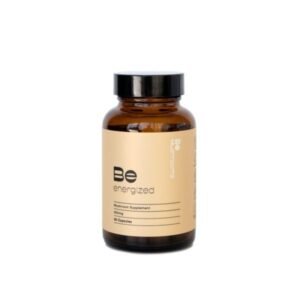
Be Energized (Booster) Mushroom Supplement Capsules
£55.00 Quick View -
Black Morel Spores (Morchella Importuna)
Price range: £20.00 through £150.00 Quick View -
Burma Spores
Price range: £20.00 through £150.00 Quick View -
Ecuador Spores Uk
Price range: £20.00 through £150.00 Quick View -
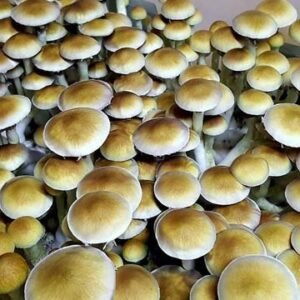
Golden Teacher Spores
Price range: £20.00 through £150.00 Quick View -
Hanoi Spores
Price range: £20.00 through £150.00 Quick View -
Huautla Oaxaca Spores
Price range: £20.00 through £150.00 Quick View