Microdosing Magic Mushrooms for Anxiety and Depression – A Comprehensive Guide
Understanding the Potential of Microdosing for Mental Health
Welcome to Buy Psychedelic Mushroom UK, your trusted source for educational information on psychedelic research. This guide explores the emerging practice of microdosing psilocybin mushrooms for anxiety and depression – a topic that has gained significant attention in recent years as more people seek alternative approaches to mental health. It is intended for educational and informational purposes only and does not constitute medical advice.
The practice of microdosing – taking very small, sub-hallucinogenic doses of psychedelic substances – has grown from a niche interest into a global movement. For many individuals struggling with anxiety and depression, microdosing magic mushrooms has become a subject of intense curiosity and, for some, a source of profound relief. This guide examines the current evidence, potential benefits, risks, and practical considerations for those exploring this approach.
What is Microdosing Psilocybin?
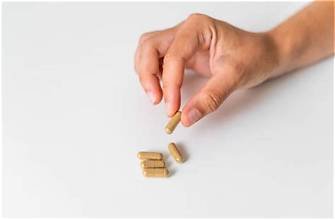
Microdosing involves taking a dose of psilocybin so small that it produces no hallucinogenic effects. A typical microdose is around 10% of a regular dose, equating to approximately 0.1 to 0.3 grams of dried Psilocybe cubensis, though this can vary significantly depending on the species and individual tolerance.
Unlike a full psychedelic “trip,” the goal of microdosing is not to experience altered perceptions or hallucinations, but to potentially harness subtle benefits for mood, cognition, and overall well-being. The aim is to be able to go about your daily life – working, driving, and socialising – while possibly noticing a shift in mood, sharper perception, or emotions coming closer to the surface.
What the Research Says About Microdosing for Anxiety and Depression
The scientific evidence for microdosing psilocybin is evolving, with a mix of promising findings and cautionary notes.
Mixed Results from Clinical Trials
A rigorous double-blind randomized-controlled trial on microdosing psilocybin over eight weeks found that while the microdosing regimen assessed (2 mg weekly) did not significantly reduce depressive symptoms, it had a significant positive impact on symptoms of anxiety and quality of life . This suggests that microdosing may be more effective for anxiety than for depression, at least at the doses studied.
A 2025 systematic review concluded that the empirical evidence for the efficacy of low-dose psilocybin in treating mental disorders is limited, and there is a lack of well-designed studies comparing low-dose psilocybin to placebo . The authors emphasised that future research should include large, rigorous randomised controlled trials.
Positive Findings from Naturalistic Studies
A large longitudinal study involving 953 microdosers found that those who microdosed reported improvements in mood and symptoms of anxiety, depression, and stress compared to a control group . Interestingly, female microdosers experienced greater improvement in depressive symptoms than men, and those over the age of 55 experienced larger improvements in psychomotor tests. However, the study’s limitations include potential response bias and the absence of a placebo group.
Clinical Trial in Palliative Care
A clinical trial examining microdosing psilocybin for psychological distress in palliative care found that microdose psilocybin (1-3 mg) is a safe, feasible, and potentially efficacious treatment for psychological distress in people with advanced illness . This is particularly significant as it demonstrates the potential for microdosing in populations where conventional treatments may be limited.
Anecdotal Evidence – What People Are Experiencing
While clinical trials provide essential data, the experiences of thousands of users offer valuable insights.
Relief from Depression and Anxiety
One individual with severe depression for 12 years reported that microdosing helped with motivation – a symptom that had resisted years of therapy, antidepressants, TMS, and other interventions . After just two weeks of microdosing (0.1g with the Stamets stack), they found they could finally tackle long-postponed tasks and felt a profound sense of relief.
Others have reported significant improvements in social anxiety. One user described having the best date of their life after microdosing before a date, feeling quicker-witted and more talkative . Another shared: “It’s like I don’t have social anxiety, I work like I don’t have ADHD and I feel normal, even happy, not depressed.”
Different Experiences with Different Strains
A notable anecdote involved someone who had microdosed Golden Teachers in the past without significant results, but found that growing their own Mazatapec strain and combining it with the Stamets stack (Lion’s Mane and Niacin) made a substantial difference . This suggests that strain and preparation may play a significant role in the effectiveness of microdosing.
The Importance of Integration
It’s important to note that microdosing is not a “magic pill.” As one user put it: “Microdosing isn’t a magic pill and it still requires you to do the work, but to feel whole again like I have been for the last two weeks is something profound to me.”
When Microdosing May Not Be Enough
Some individuals find that microdosing provides relief only while they are actively taking it, with symptoms returning when they stop . Others have found that macrodoses (full psychedelic doses) provide longer-lasting relief than microdosing .
Popular Microdosing Protocols
There is no one-size-fits-all approach, but several protocols have emerged:
The Fadiman Protocol: Dose every third day (e.g., Monday, Thursday, Sunday). Best for beginners or those wanting a conservative approach.
The Stamets Protocol: 5 days on, 2 days off, often combined with Lion’s Mane and Niacin. Best for those wanting more consistent support.
Intuitive Protocol: Dose as needed, as called upon. Best for people who are already body-aware and self-directed.
Daily Protocol: Dose every day like an herb. Suitable for those dealing with acute conditions or making a significant shift.
A typical starting point is 125mg (0.125g) for most people, with the advice to start low and go slow – working your way up gradually to find your “sweet spot.”
Safety, Risks, and Important Considerations
Potential Adverse Events
Increased Anxiety: For some, microdosing can exacerbate anxiety, especially if the dose is too high.
Physical Side Effects: Digestive issues, difficulty focusing, and nausea can occur.
Bad Trips: While less common with microdoses, taking too much can lead to a frightening experience.
Key Risks to Understand
Dose Variability: The potency of psilocybin mushrooms can vary significantly between species, batches, and even individual mushrooms.
Misidentification: Consuming the wrong mushroom can be fatal.
Mental Health Conditions: Psilocybin can potentially trigger mania or psychosis in individuals with bipolar disorder or schizophrenia.
Legal Status: Psilocybin is a controlled substance in the UK under the Misuse of Drugs Act 1971.
Frequently Asked Questions
Can microdosing help with anxiety?
A recent double-blind trial found that microdosing psilocybin had a significant positive impact on symptoms of anxiety and quality of life
What is the best strain for microdosing?
There is no definitive “best” strain. Golden Teachers are popular among beginners, while others report success with different strains. The effects can vary significantly between strains and even individual mushrooms.
How long does it take to feel the effects of microdosing?
Since a microdose is subperceptible, you may not feel an immediate “effect.” However, some users report subtle improvements in mood, energy, and focus within 1-2 hours.
Can I microdose every day?
Yes, some protocols involve daily dosing for a period, but most experts recommend at least 1-2 days off per week to avoid tolerance.
Is microdosing safe?
In low doses, most people report neutral or positive effects. However, it is not without risks, especially for individuals with a personal or family history of psychiatric disorders.
Microdosing psilocybin mushrooms represents a promising frontier in the treatment of anxiety and depression, with a growing body of scientific and anecdotal evidence supporting its potential. While clinical trials have shown mixed results – with some studies finding significant anxiety reduction but limited depression relief – the anecdotal reports and emerging research continue to fuel interest. For those considering microdosing, proceeding with caution, thorough research, and compliance with UK law is essential.
At Buy Psychedelic Mushroom UK, we prioritise education and research support. Our products are intended for research, collection, and educational purposes only.