
Description
B+ Spores – Mycology and Taxonomy Guide
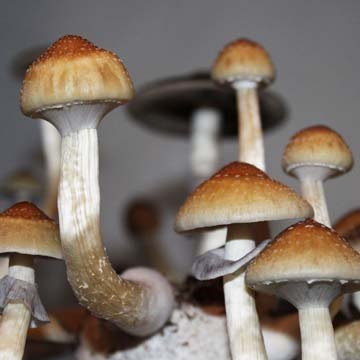
B+ Spores are associated with B+, an informal variety name commonly linked to the fungal species Psilocybe cubensis. The name appears in discussions of fungal diversity and mycological literature, but it does not represent a separate, formally recognised species.
This guide explores the background of the B+ designation, the scientific classification of Psilocybe cubensis, the general biology of fungal spores and the importance of accurate identification. It also considers the limitations of informal variety labels and relevant UK legal considerations.
What Are B+ Spores?
B+ is a commonly circulated name for an informal variety of Psilocybe cubensis. Like other named varieties associated with this species, it is generally understood as a community designation rather than a distinct taxonomic classification.
The name is frequently encountered in discussions of fungal genetics and the diversity of P. cubensis. However, historical accounts of its origins are not consistently documented in formal scientific literature. Claims about its original breeder, exact lineage or geographical origin should therefore be treated cautiously.
B+ Spores and Fungal Classification
B+ Spores belong to the broader subject of fungal reproductive biology. The variety name is associated with Psilocybe cubensis, a species in the family Hymenogastraceae.
Its scientific classification is:
- Kingdom: Fungi
- Phylum: Basidiomycota
- Class: Agaricomycetes
- Order: Agaricales
- Family: Hymenogastraceae
- Genus: Psilocybe
- Species: Psilocybe cubensis
- Informal variety name: B+
The distinction between species and variety names matters. A scientific species is defined through formal taxonomic research, while informal labels may circulate through collector and research communities without having an equivalent formal status.
Understanding Fungal Spore Biology
Fungal spores are reproductive structures that play an important role in the life cycles of many fungi. Their characteristics differ between fungal groups and can be relevant to scientific classification.
In Psilocybe cubensis, spores are produced on specialised structures called basidia, located on the gills beneath the mushroom cap. This reproductive system is characteristic of many members of the Basidiomycota.
Spore biology is an important area of mycology because it helps researchers understand fungal reproduction, diversity and evolutionary relationships.
B+ as an Informal Variety Name
The B+ designation is widely recognised in discussions of Psilocybe cubensis, but its historical background is not fully established through authoritative taxonomic records.
A 2025 scientific review of P. cubensis varieties highlights a wider issue: many familiar variety names are based on community reports, and their genetic and physical distinctions have not all been comprehensively documented.
For that reason, descriptions of B+ should distinguish reported characteristics from scientifically established findings. A variety label alone cannot verify genetic identity, origin or chemical composition.
Scientific Research and Genetic Variation
Research into Psilocybe cubensis considers variation between specimens, genetic differences and the challenges of classifying informal varieties.
Scientific studies have reported differences in measured chemical composition between individual samples and named varieties. However, results from particular specimens cannot automatically be applied to every sample carrying the same informal name.
Researchers also face limitations in the available genetic data. More systematic documentation is needed to establish how different community-recognised varieties relate to one another.
Why Accurate Identification Matters
Informal names can be useful when discussing the history of particular fungal collections, but they should not replace scientific identification.
A name such as B+ does not independently establish:
- The precise genetic identity of a specimen
- Its geographical origin or provenance
- Its chemical composition
- Its relationship to other named varieties
- Any consistent biological or chemical characteristics
Reliable scientific conclusions require documented specimens, appropriate analytical methods and reproducible evidence.
UK Legal Considerations
The legal position of Psilocybe cubensis is important when discussing B+ and other varieties associated with the species.
In the United Kingdom, psilocybin and psilocin are controlled substances under the Misuse of Drugs Act 1971. Activities involving fungi containing these substances can raise serious legal issues.
The fact that a product is described as spores does not, by itself, establish that every related activity or intended use is lawful. Legal questions depend on the circumstances and applicable legislation. Anyone researching the subject should consult current official UK guidance rather than relying on informal online claims.
Frequently Asked Questions
What are B+ Spores associated with?
The name B+ is commonly associated with the fungal species Psilocybe cubensis. It is an informal variety designation rather than a separate species.
Is B+ a scientifically recognised species?
No. Psilocybe cubensis is the recognised species name. B+ is an informal label used to distinguish a particular named variety within discussions of that species.
Where did the B+ name originate?
Various historical accounts circulate in online mycology communities, but a definitive origin is not firmly established in authoritative scientific literature.
Are all B+ specimens genetically identical?
The name alone cannot establish genetic identity. Scientific verification requires suitable evidence, and informal variety labels should not be treated as proof of a specific genetic profile.
What is the scientific importance of fungal spores?
Spores are reproductive structures. Their study contributes to research into fungal life cycles, classification, diversity and evolutionary relationships.
What is the UK legal position?
Psilocybin and psilocin are controlled under the Misuse of Drugs Act 1971. The legal position of spores and any associated activity should not be assumed from a product description alone.
Summary
B+ is a familiar informal variety name associated with Psilocybe cubensis. Its significance lies in the wider discussion of fungal diversity, classification and the history of named varieties.
Understanding B+ Spores requires separating informal community terminology from established scientific taxonomy. This distinction helps provide a more accurate picture of fungal biology, research limitations and the legal considerations surrounding psilocybin-containing fungi.

Reviews
There are no reviews yet.