
Description
Burma Spores – Mycology and Taxonomy Guide
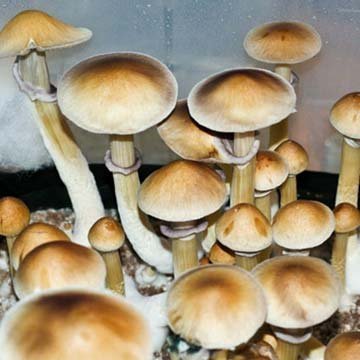
Burma Spores are associated with Burma, an informal geographical variety name used in discussions of the fungal species Psilocybe cubensis. The name has a place in the historical discussion of named varieties, but it does not represent a separate, formally recognised species.
This guide explores the background of the Burma designation, the scientific classification of Psilocybe cubensis, fungal spore biology and the limitations of informal variety labels. It also considers the importance of reliable scientific identification and relevant UK legal information.
What Are Burma Spores?
Burma is a geographical name associated with an informal variety designation of Psilocybe cubensis. Historical mycological publications and ethnomycological literature have discussed geographically named collections from different parts of Asia, including Burma.
However, a geographical label does not independently establish the precise origin or genetic identity of a particular specimen. The history of named varieties is not always supported by comprehensive scientific records, so claims about specific lineages should be treated cautiously.
Burma Spores and Fungal Classification
The Burma designation is associated with the wider Psilocybe cubensis group. The recognised scientific species is Psilocybe cubensis, a member of the fungal phylum Basidiomycota.
Its broad scientific classification is:
- Kingdom: Fungi
- Phylum: Basidiomycota
- Class: Agaricomycetes
- Order: Agaricales
- Family: Hymenogastraceae
- Genus: Psilocybe
- Species: Psilocybe cubensis
- Informal designation: Burma
This distinction is important because geographical variety names and scientific species names serve different purposes. A regional label may reflect historical reporting or community terminology without establishing a separate taxonomic category.
Understanding Fungal Spore Biology
Fungal spores are reproductive structures that contribute to the life cycles and distribution of fungi. Their characteristics differ between fungal groups and can help researchers investigate fungal relationships.
In Psilocybe cubensis, spores are called basidiospores. They develop on microscopic reproductive structures known as basidia, which are located on the gills beneath the mushroom cap.
The study of spores is an established part of mycology. Researchers examine features such as shape, size, colour and surface characteristics alongside other evidence when investigating fungal classification.
Burma as a Geographical Variety Name
The Burma designation is an example of how geographical names have become part of the informal terminology surrounding Psilocybe cubensis.
Historical literature has recorded the circulation of geographically named collections from several regions, including Burma and other parts of Southeast Asia. Nevertheless, historical references to a regional name should not be confused with verified provenance for a modern specimen.
It is also important to distinguish the historical country name Burma from present-day geographical and political terminology. A label using the name does not prove that a particular specimen originated within the country’s present borders.
Scientific Research and Genetic Variation
Scientific research into Psilocybe cubensis has explored genetic diversity, physical variation and differences between named varieties.
A peer-reviewed review published in the Journal of Fungi in 2025 discusses the limitations of current research into informal variety names. It highlights the need for more comprehensive genetic documentation before strong conclusions can be drawn about relationships between named groups.
This is relevant to Burma because a shared label does not establish that specimens have identical genetic characteristics. Scientific conclusions require documented samples and appropriate analytical evidence.
Why Accurate Identification Matters
Informal names can be useful when discussing the history of fungal collections, but they are not substitutes for formal scientific identification.
The name Burma alone cannot establish:
- A specimen’s exact geographical origin
- Its genetic identity
- Its formal taxonomic status
- Its chemical composition
- Whether specimens sharing the label are genetically equivalent
Reliable identification depends on documented evidence and suitable scientific methods. This is especially important in groups where informal variety names are more numerous than well-characterised genetic lineages.
UK Legal Considerations
The legal position of fungi associated with psilocybin is important when discussing Burma and other Psilocybe cubensis designations.
In the United Kingdom, psilocybin and psilocin are controlled substances under the Misuse of Drugs Act 1971. Activities involving fungi containing these substances can raise serious legal issues.
A product label or the use of the word spores does not, by itself, establish that every related activity or intended use is lawful. Anyone researching this subject should consult current official legislation and legal guidance.
Frequently Asked Questions
What are Burma Spores associated with?
The name Burma is associated with an informal geographical variety designation linked to Psilocybe cubensis.
Is Burma a separate mushroom species?
No. The recognised species name is Psilocybe cubensis. Burma is an informal name rather than a separate formally recognised species.
Does the Burma name prove geographical origin?
No. A geographical label does not independently verify where a particular specimen originated. Provenance requires reliable supporting documentation.
What type of spores does Psilocybe cubensis produce?
Psilocybe cubensis produces basidiospores. These develop on specialised microscopic structures called basidia.
Are all specimens labelled Burma genetically identical?
The name alone cannot establish genetic identity. Further scientific evidence would be needed to verify genetic relationships between specimens.
What is the UK legal position?
Psilocybin and psilocin are controlled under the Misuse of Drugs Act 1971. The legal position of related products and activities should not be assumed from a product description alone.
Summary
Burma is an informal geographical variety name associated with Psilocybe cubensis. Its historical use provides an example of how regional terminology has influenced the naming of fungal varieties.
Understanding Burma Spores requires distinguishing historical labels from verified geographical provenance and formal scientific taxonomy. This approach provides a more accurate introduction to fungal classification, reproductive biology and the limits of current research.
Reviews
There are no reviews yet.