
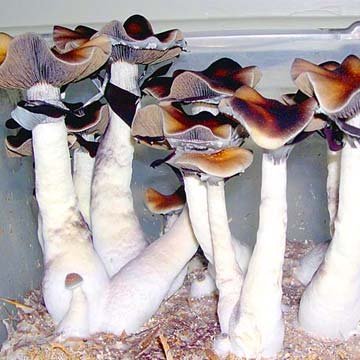
Description
South Africa Transkei Spores: Scientific Background and Microscopy Guide
Introduction to South Africa Transkei
South Africa Transkei is an informal variety name associated with Psilocybe cubensis, a mushroom species discussed in mycology and fungal biodiversity research.
The Transkei name is commonly encountered in mushroom-related communities. However, informal variety names should be distinguished from scientifically established taxonomic classifications.
This guide explores the terminology, fungal biology, spore characteristics and scientific context associated with South Africa Transkei.
What Are South Africa Transkei Spores?
Fungal spores are microscopic reproductive structures that play an important role in fungal reproduction and dispersal.
In mycology, spores are studied to understand fungal morphology, biodiversity and classification.
The term South Africa Transkei spores refers to spores attributed to the informally named variety associated with Psilocybe cubensis. The name alone does not establish a genetically verified lineage or independently confirmed specimen identity.
Understanding Psilocybe cubensis
Psilocybe cubensis is a species of mushroom belonging to the fungal kingdom.
Scientific research into this species contributes to broader understanding of fungal taxonomy, morphology and chemical composition.
It is important to distinguish formal species identification from informal variety terminology. Names used within online mushroom communities do not necessarily correspond to scientifically recognised classifications.
The Biological Importance of Fungal Spores
Fungal spores are important components of fungal life cycles. Their biological functions include reproduction and dispersal.
Mycologists may investigate several microscopic characteristics, including:
- Spore shape and dimensions.
- Surface morphology.
- Pigmentation.
- Microscopic structural features.
- Differences between fungal groups.
These characteristics can contribute to scientific identification and comparative research.
Microscopy and Scientific Research
Microscopy is an important tool in modern mycology. It allows researchers to investigate structures that cannot be adequately observed with the naked eye.
Microscopic examination can contribute to the study of fungal morphology, taxonomy and biodiversity.
However, a single microscopic feature is not necessarily sufficient to establish the identity of a particular fungal variety. Reliable identification may require several complementary observations and specialist analysis.
South Africa Transkei: Naming and Classification
South Africa Transkei is an informal designation associated with Psilocybe cubensis, South Africa Transkei spores, rather than a separate formally recognised species.
Geographical references in informal mushroom names should not automatically be interpreted as proof of a specimen’s geographical origin or genetic ancestry.
Scientific descriptions should distinguish documented evidence from community terminology and unverified claims.
Legal Considerations
Legislation concerning psychoactive fungi and associated materials differs between countries.
In the United Kingdom, psilocybin and psilocin are controlled substances under the Misuse of Drugs legislation. The legal position concerning specific fungal materials can depend on the applicable legislation and circumstances.
Anyone researching associated materials should check current local laws and seek qualified legal advice where necessary.
Frequently Asked Questions
What are South Africa Transkei spores?
South Africa Transkei is an informal variety name associated with Psilocybe cubensis. It is used in mushroom-related discussions and informal mycological terminology.
Is South Africa Transkei a separate mushroom species?
No. The name is an informal designation associated with Psilocybe cubensis, not a separate formally recognised fungal species.
Why are fungal spores important in mycology?
Spores play an important role in fungal reproduction and dispersal. Their microscopic characteristics are also studied in fungal taxonomy and biodiversity research.
Can microscopy identify a particular fungal variety?
Microscopy can provide useful information about fungal morphology, but a single characteristic cannot necessarily establish a particular variety’s identity. Additional scientific analysis may be required.
Are South Africa Transkei spores scientifically classified?
South Africa Transkei is an informal variety designation. It should not be confused with an independently established taxonomic classification.
Are South Africa Transkei spores legal?
Legal requirements vary by jurisdiction and circumstances. Check current legislation applicable to your location and seek qualified legal advice.
Educational Disclaimer
This information is provided for general mycological education and scientific background. It does not provide instructions for cultivating psychoactive fungi, producing controlled substances, preparing psychoactive materials or consuming them.
Scientific terminology should be interpreted carefully, and applicable legal requirements should always be checked.
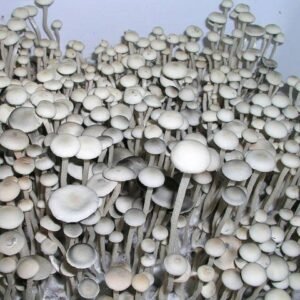
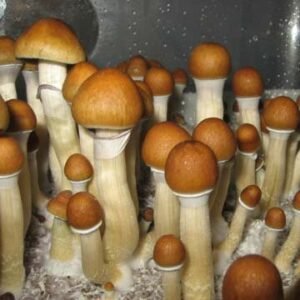
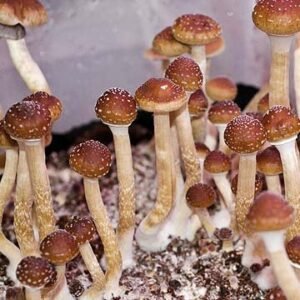
Reviews
There are no reviews yet.