
Introduction benefits of lion’s mane mushrooms
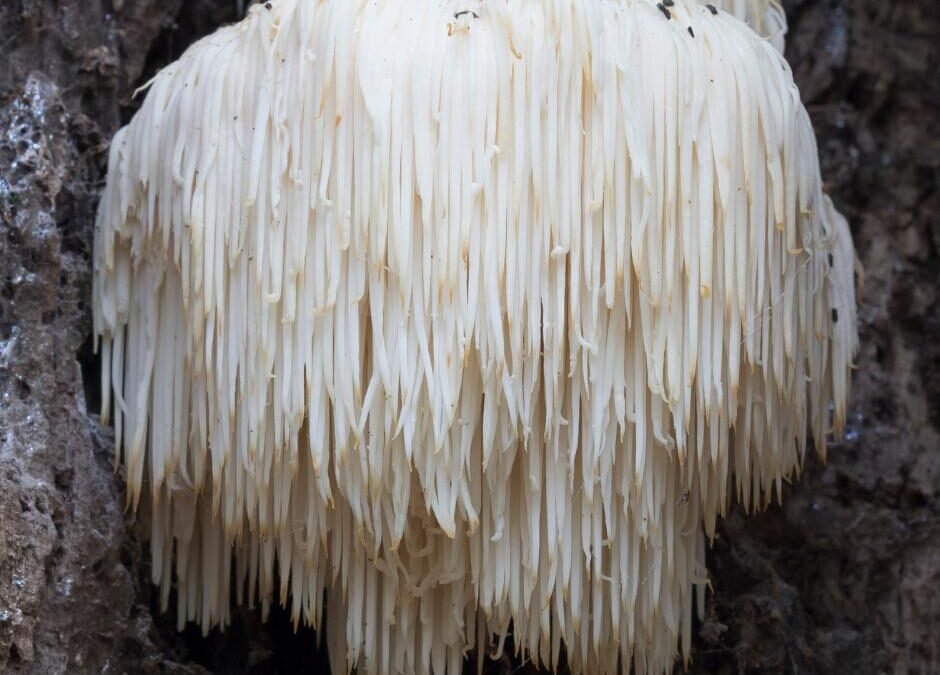
Lion’s mane mushrooms have attracted growing attention because of their unusual appearance and their potential health benefits. Recognisable by their long,benefits of lion’s mane mushrooms white, cascading spines, these mushrooms have a history of use in traditional food and wellness practices. Today, researchers are investigating whether compounds found in lion’s mane may have effects on the brain, nervous system, digestive system and general health.
The benefits of lion’s mane mushrooms are often discussed in connection with memory, concentration, nerve health and mood. Some early studies have produced interesting findings, but it is important to distinguish promising laboratory research from benefits that have been clearly demonstrated in people.
Lion’s mane is not a proven treatment for memory problems, depression, anxiety or any other medical condition. Research is still developing, and many studies have been small or conducted in animals and laboratory settings.
This article explores what scientists currently know, the potential benefits being investigated, benefits of lion’s mane mushrooms the limitations of the evidence and important safety considerations.
What Is Lion’s Mane Mushroom?
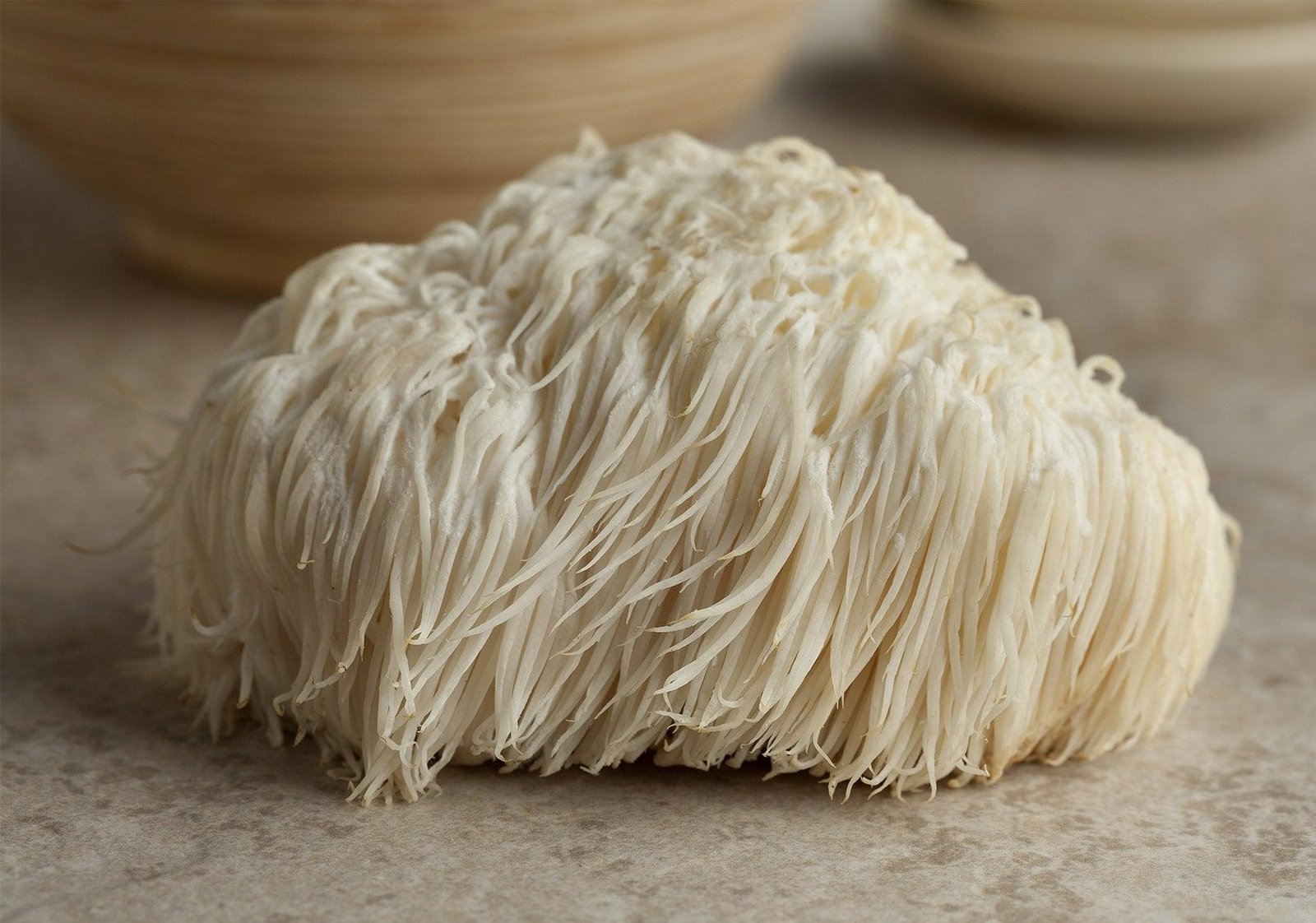
Lion’s mane, scientifically known as Hericium erinaceus, is an edible mushroom recognised by its distinctive white appearance. Instead of having the familiar cap and stem shape of many mushrooms, it grows in a rounded cluster covered in soft, benefits of lion’s mane mushrooms, dangling spines.
It grows naturally on hardwood trees and is found in parts of North America, Europe and Asia. It is also cultivated for culinary and research purposes.
Scientists are particularly interested in two groups of compounds found in lion’s mane:
Hericenones: Compounds mainly identified in the mushroom’s fruiting body.
Erinacines: Compounds found in its mycelium, the thread-like network that forms the main body of the fungus.
Researchers are studying these compounds because laboratory experiments suggest they may interact with biological processes involved in nerve-cell function. However, laboratory findings do not automatically mean that eating the mushroom or taking a supplement produces the same effects in humans.
1. Potential Benefits of Lion’s Mane Mushrooms
Researchers have investigated several possible health effects of lion’s mane. The most discussed areas are brain function, nerve health, mood, antioxidant activity and digestive health.
However, the strength of the evidence differs considerably. Some findings come from human studies, while others are based mainly on laboratory experiments or animal research benefits of lion’s mane mushrooms.
1.1 Supporting Brain Health

One of the main reasons benefits of lion’s mane mushrooms has attracted scientific interest is its possible relationship with brain health.
Researchers are studying whether compounds called hericenones and erinacines influence nerve growth factor (NGF). NGF is a protein involved in the growth, maintenance and survival of certain nerve cells.
Laboratory and animal studies suggest that some lion’s mane compounds may influence NGF-related processes. This has led scientists to investigate whether the mushroom could have a role in supporting the nervous system.
Nevertheless, these early findings do not prove that eating lion’s mane improves brain health in people. More human research is needed to establish whether the effects seen in experimental studies translate into meaningful health benefits.
Alzheimer’s Drug Discovery Foundation+1
1.2 Memory and Cognitive Function
Another widely discussed potential benefit is its possible effect on memory and cognitive performance.
Some small human studies have investigated lion’s mane in older adults and people experiencing mild cognitive difficulties. Certain studies have reported improvements in selected cognitive measurements, but the overall evidence remains limited.
A 2025 systematic review examined research into lion’s mane supplementation, including five randomised controlled trials. The authors reported some encouraging findings, while also identifying limitations in the available research.
PubMed+1
A separate 2025 placebo-controlled study involving 18 adults aged 18–35 found no significant overall improvement in cognitive performance or mood after a single intervention. One individual test showed a difference, but this does not establish a general memory-enhancing effect.
PubMed+1
The current evidence therefore does not establish lion’s mane as a reliable way to improve memory, concentration or learning.
1.3 Possible Effects on Mood and Stress

Scientists have also explored whether lion’s mane may influence mood and stress-related processes.
Some small studies have reported changes in self-reported mood or stress measurements. Animal research has also investigated possible effects on biological pathways associated with mood regulation.
However, these findings should be interpreted carefully. Studies have often involved small groups, different mushroom preparations and relatively short observation periods.
There is currently insufficient evidence to conclude that lion’s mane can prevent or treat anxiety, depression or other mental health conditions. It should not replace professional mental health care.
Memorial Sloan Kettering Cancer Center+1
1.4 Antioxidant Properties
Lion’s mane contains several naturally occurring compounds that researchers have examined for antioxidant activity.
Antioxidants are substances that can help protect cells against damage associated with unstable molecules known as free radicals.
Laboratory research suggests that certain compounds found in lion’s mane may demonstrate antioxidant activity. Scientists are investigating how these properties might relate to inflammation and cellular health.
However, antioxidant activity in a laboratory does not automatically translate into a measurable health benefit in humans. More clinical research is needed to understand the significance of these findings.
1.5 Digestive and Gut Health Research

The digestive system is another area of interest in lion’s mane research.
Some experimental studies have investigated how mushroom compounds may interact with the gut microbiome, which is the community of microorganisms living in the digestive tract.
A 2025 systematic review discussed early findings involving gut bacteria and compounds produced by beneficial microorganisms. However, much of the evidence in this area is still preliminary.
Researchers need more well-designed human studies to determine whether lion’s mane has a meaningful effect on digestion or gut health.
PubMed+1
1.6 Potential Neuroprotective Effects
Neuroprotection refers to processes that help protect nerve cells from damage or loss of function.
Scientists are investigating whether lion’s mane compounds may influence inflammation, oxidative stress and nerve growth pathways.
Some animal and laboratory studies have explored these effects in connection with conditions affecting the nervous system. These findings have generated research interest, but they do not demonstrate that lion’s mane prevents or treats neurological diseases in humans.
It is particularly important not to interpret experimental findings as proof that a mushroom supplement can prevent Alzheimer’s disease, Parkinson’s disease or other neurological conditions.
Alzheimer’s Drug Discovery Foundation+1
2. What Does Scientific Research Actually Show?
The research into lion’s mane is promising in some areas, but it is not yet conclusive.
Here are three important findings:
Research | Main finding |
|---|---|
2025 systematic review | Examined clinical and experimental research, finding some encouraging signals but also important evidence limitations. |
2025 placebo-controlled study | Found no significant overall improvement in cognition or mood in its small group of healthy adults. |
Alzheimer’s Drug Discovery Foundation review | Described cognitive findings as mixed and highlighted the need for larger, longer clinical trials. |
PubMed+2
The main challenge is that studies use different mushroom preparations, research methods and participant groups. A result involving a laboratory extract cannot automatically be applied to ordinary food or every product sold as lion’s mane.
3. Lion’s Mane as Food Versus Supplements
Lion’s mane can be eaten as a culinary mushroom. It is also sold in different supplement forms, including powders, capsules and extracts.
These products are not necessarily equivalent.

As food: Lion’s mane is an edible mushroom used in cooking. Its culinary use is different from taking a concentrated supplement.
As a supplement: Products may contain extracts from the fruiting body, mycelium or a combination. Their composition and concentration can vary, making research findings difficult to apply consistently.
A product being labelled as natural does not automatically mean it is safe or effective. Supplements can also differ in quality and manufacturing standards.
For children and teenagers, the safety and effectiveness of lion’s mane supplements have not been adequately established. A healthcare professional should be consulted before considering any supplement.
4. Possible Side Effects and Safety Considerations
Although lion’s mane is an edible mushroom, that does not mean every form or preparation is suitable for everyone.
Reported side effects associated with lion’s mane supplements include:
Stomach discomfort
Nausea
Skin irritation or rash
Possible allergic reactions
The long-term safety of concentrated lion’s mane supplements has not been adequately established. There is also limited information about potential interactions with medications.
Alzheimer’s Drug Discovery Foundation+1
People with mushroom allergies or those taking medication should seek medical advice before considering a supplement. Children and teenagers should not assume that adult research establishes safety for their age group.
5. Who Is Studying Lion’s Mane?
Lion’s mane is being investigated by researchers interested in nutrition, neuroscience and natural compounds.

Some of the main research questions include:
How do hericenones and erinacines interact with nerve growth pathways?
Can lion’s mane compounds influence cognitive performance?
Are there measurable effects on mood and stress?
How might the mushroom interact with the gut microbiome?
What are the long-term safety considerations of concentrated extracts?
Answering these questions will require larger clinical trials, consistent research methods and longer follow-up periods.
6. Frequently Asked Questions About Lion’s Mane Mushrooms
What are the main benefits of lion’s mane mushrooms?
The main potential benefits being investigated include brain health, memory, nerve-cell function, mood, antioxidant activity and digestive health. However, evidence in humans remains limited, and these effects have not been conclusively established.
Does lion’s mane improve memory?
Some small studies have reported improvements in selected cognitive measurements. Other research has found no significant overall improvement. More reliable human studies are needed before lion’s mane can be considered an established memory aid.
Can lion’s mane help with anxiety or depression?
Some early research has explored possible effects on mood and stress. However, there is not enough evidence to establish lion’s mane as a treatment for anxiety or depression.
Does lion’s mane support brain health?
Laboratory and animal research suggests that certain compounds may influence nerve growth pathways. Whether these findings produce meaningful benefits in people remains uncertain.
Is lion’s mane safe?
Lion’s mane is an edible mushroom, but concentrated supplements have less established safety information. Reported side effects include stomach discomfort, nausea and skin reactions. Long-term safety is not fully understood.
Is lion’s mane the same as psychedelic mushrooms?
No. Lion’s mane (Hericium erinaceus) is an edible mushroom and is different from psilocybin-containing psychedelic mushrooms. They have different compounds and biological effects.
Can lion’s mane prevent Alzheimer’s disease?
There is no conclusive clinical evidence that lion’s mane prevents Alzheimer’s disease. Research involving laboratory models and small human studies is not sufficient to establish prevention or treatment.
7. Conclusion: Are Lion’s Mane Mushrooms Worth the Scientific Interest?
Lion’s mane mushrooms are an interesting subject of scientific research because they contain compounds that may interact with processes involved in nerve-cell function and other aspects of biology.
The potential benefits of lion’s mane mushrooms include supporting brain health, influencing cognitive processes, antioxidant activity and possible effects on mood and digestive health. Nevertheless, much of the research is still preliminary.
Some small human studies have reported encouraging findings, while other controlled research has found no significant overall improvements. This highlights the importance of separating scientific possibilities from proven health outcomes.
For now, lion’s mane is best understood as an edible mushroom with promising research questions rather than a proven treatment or supplement for improving memory, mood or neurological health.
Future studies will help determine whether the effects observed in laboratories and small clinical trials translate into meaningful benefits for people.
References and Further Reading
Menon, A. et al. (2025). Benefits, side effects, and uses of Hericium erinaceus as a supplement: a systematic review. Frontiers in Nutrition. Read the research on PubMed.
Surendran, G. et al. (2025). Acute effects of a standardised extract of Hericium erinaceus on cognition and mood in healthy younger adults. Frontiers in Nutrition. Read the full study.
Alzheimer’s Drug Discovery Foundation (2025). Lion’s Mane: Cognitive Vitality. Read the evidence review.
Memorial Sloan Kettering Cancer Center. Lion’s Mane Mushroom. Read the clinical summary.
National Library of Medicine (2024). Lion’s Mane. Read the overview.