
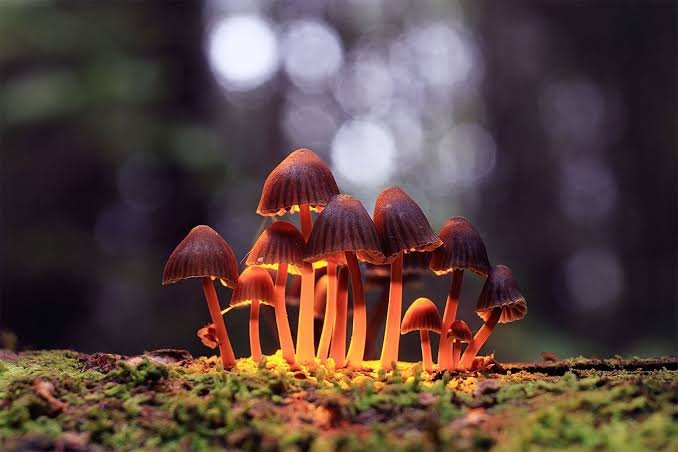
Magic mushrooms are a fascinating group of fungi that have attracted interest because of their history, biology, cultural significance and psychedelic properties. The term “magic mushrooms” generally refers to mushrooms containing naturally occurring compounds such as psilocybin and psilocin. Buying Magic Mushroom in UK.
When people research magic mushroom strains online, they will often encounter names such as Golden Teacher, B+ and Penis Envy. However, the terminology surrounding these mushrooms can be confusing. “Strain” is frequently used as a general term, even though mushroom taxonomy is considerably more complicated.
This guide explains the differences between species, varieties and commonly used strain names, explores why different mushrooms can vary in appearance and chemical composition, and discusses important UK legal considerations.
What Are Magic Mushrooms?
Magic mushrooms are fungi that naturally contain psychedelic compounds, principally psilocybin and psilocin. After ingestion, psilocybin is converted by the body into psilocin, which interacts with serotonin receptors in the brain.
The resulting effects can include changes in perception, sensory experiences, emotions, thought patterns and the perception of time. Experiences can vary substantially between individuals and may also be affected by factors such as expectations, surroundings, individual sensitivity and the particular mushroom material involved.
There are numerous species of fungi capable of producing psilocybin. The most widely discussed belong to the genus Psilocybe, although psilocybin-producing fungi occur in other genera as well.
Strain vs Species vs Variety
One of the biggest sources of confusion when researching magic mushrooms is the use of the word “strain.”
In everyday online discussions, “strain” is often used to describe a named mushroom type or cultivated genetic line. Scientifically, however, mushrooms are classified using taxonomic categories such as genus and species.
For example:
- Genus identifies a broader biological group.
- Species identifies a particular species within that genus.
- Variety or cultivated line can describe differences within a species.
- Common strain names may be informal names used by growers and mushroom communities.
This distinction matters because a commercial or community name does not necessarily represent a formally recognised scientific classification.
Why Are There So Many Magic Mushroom Names?
The internet contains hundreds of names associated with psychedelic mushrooms. Some names refer to recognised species, while others describe cultivated varieties, historical collections, mutations or community-created names.
Names can also be reused by different suppliers or communities. Consequently, the same name does not always guarantee identical genetics or chemical composition.
This is particularly important when reading online descriptions. A name alone should not be treated as a reliable scientific measurement of potency, composition or expected effects.
Commonly Discussed Magic Mushroom Varieties
Golden Teacher
Golden Teacher is one of the most widely recognised names in online mushroom discussions. It is generally associated with Psilocybe cubensis and is known for its distinctive golden or yellow-brown cap.
The name has become particularly prominent in online mushroom communities and educational discussions.
B+
B+ is another commonly encountered name associated with Psilocybe cubensis. It has developed a strong reputation in mushroom-growing communities and is frequently mentioned in discussions about mushroom genetics.
As with other informal strain names, characteristics attributed to B+ can vary depending on the particular genetic line being discussed.
Penis Envy
Penis Envy is a well-known cultivated variety name associated with Psilocybe cubensis. It is named after the unusual appearance of some specimens.
Different versions and genetic lines associated with this name have subsequently appeared in mushroom communities, which illustrates why common names should not automatically be treated as precise scientific classifications.
Other Named Varieties
Online discussions may also mention names such as Albino Penis Envy, Blue Meanie, Ecuadorian, Cambodian, Mazatapec and many others.
These names can refer to particular cultivated lines, geographical associations, historical names or informal classifications. Their names alone do not establish a consistent chemical profile.
Does Mushroom Appearance Tell You Potency?
Not reliably.
Colour, cap shape, stem characteristics and overall appearance can provide clues about identification, but appearance should not be treated as a dependable method for determining the concentration of psychoactive compounds.
Even mushrooms associated with the same name can differ considerably.
Potential variation can result from:
- Genetic differences
- Growing conditions
- Age of the mushroom
- Environmental conditions
- Storage conditions
- Differences between individual specimens
- Variation in naturally occurring compounds
This is one reason that claims about a particular named variety being “always” stronger or weaker should be approached carefully.
Why Potency Can Vary
Psilocybin and psilocin concentrations are not necessarily identical from one mushroom to another.
Two mushrooms that appear similar may contain different amounts of active compounds. Likewise, two mushrooms carrying the same informal variety name may not have identical chemical characteristics.
Research into psychedelic fungi continues to investigate genetic, environmental and chemical factors that contribute to variation.
For consumers researching these substances, this uncertainty is important because relying solely on an online strain name can create a false impression of predictability.
Magic Mushroom Effects
Psychedelic mushrooms can produce changes in perception and consciousness. Reported effects may include altered visual perception, Buying Magic Mushroom in UK. changes in the sense of time, intensified emotions and unusual patterns of thought.
Experiences can also be unpredictable.
Some people report uncomfortable psychological effects, including anxiety, panic, confusion or paranoia. Inappropriate surroundings or unexpected psychological reactions can make an experience considerably more difficult.
For this reason, information about psychedelic mushrooms, Buying Magic Mushroom in UK should be approached from a health, safety and legal perspective rather than assuming that a particular variety guarantees a specific experience.
Set and Setting
“Set and setting” are commonly discussed concepts in psychedelic research and harm-reduction literature.
Set refers broadly to a person’s psychological state, expectations and mindset.
Setting refers to the surrounding physical and social environment.
Both can influence how a psychedelic experience develops. Someone who is anxious, distressed or in an unsafe environment may be more vulnerable to an unpleasant experience.
This is one reason why simplistic descriptions such as “this strain is relaxing” or “that strain is energetic” should not be regarded as guarantees.
Are Magic Mushrooms Legal in the UK?
This is an especially important consideration for anyone searching online for information about magic mushrooms in Britain.
Magic mushrooms containing psilocin or psilocybin are controlled under UK drug legislation. The UK government’s controlled-drugs information identifies fungi containing psilocin or psilocybin as Class A substances.
UK government guidance also states that magic mushrooms are Class A drugs. Possession, supply, production and other activities involving controlled drugs can carry serious criminal penalties.
The legal position is therefore important when researching phrases such as “Buying Magic Mushroom in UK.” Searching for information online does not make an activity legal, and consumers should not assume that a website offering a product is evidence that the product can legally be supplied.
The Psychoactive Substances Act 2016 also contains offences relating to producing, supplying, offering to supply, importing and exporting psychoactive substances, although controlled drugs are separately regulated under the Misuse of Drugs Act.
UK legislation can change, so anyone concerned about the current legal position should consult official government or legal sources.
Why Online Strain Names Should Be Treated Carefully
The growth of online mushroom communities has created a huge vocabulary of strain names and descriptions. However, not every description has been scientifically validated.
A website may describe one variety as particularly potent, visual or relaxing, but those descriptions should not be interpreted as laboratory measurements.
Important questions when reading online information include:
- Is the mushroom’s scientific identification clear?
- Is the claimed genetic lineage documented?
- Is the information supported by reliable evidence?
- Is the claim based on laboratory testing or anecdotal reports?
- Does the source distinguish scientific facts from community terminology?
These questions can help readers separate established information from marketing language.
Magic Mushrooms and Scientific Research
Psilocybin has become an important subject of modern scientific research. Researchers have investigated psychedelic compounds in areas including psychology, neuroscience and mental health.
However, research into a substance does not mean that recreational products sold online are medically approved.
Clinical research typically involves carefully controlled environments, screening procedures, professionally supervised participants and defined research protocols.
These circumstances are very different from purchasing an unidentified mushroom product online.
Identifying Wild Mushrooms
Wild mushroom identification deserves particular caution.
Some poisonous mushrooms can resemble edible or psychoactive species. Mistaking one mushroom for another can result in serious poisoning.
Photographs and internet strain guides are not substitutes for expert identification.
Anyone who believes they have consumed an unidentified poisonous mushroom and develops concerning symptoms should seek urgent medical assistance or contact an appropriate poison information service.
Responsible Online Research
People researching magic mushrooms online may encounter a mixture of scientific information, personal experiences, product descriptions and marketing material.
A responsible approach is to distinguish between these categories.
Scientific evidence can help explain pharmacology and biological characteristics.
Personal reports can describe individual experiences but cannot establish that everyone will experience the same effects.
Marketing claims are designed to promote products and may use subjective terms such as “premium,” “strong,” “smooth” or “best” that have no standard scientific definition.
Readers should therefore evaluate claims critically.
Final Thoughts
Magic mushroom terminology can be surprisingly complicated. Names such as Golden Teacher, B+, Penis Envy and other commonly discussed varieties have become familiar across online mushroom communities, but a name should not be confused with a scientifically standardised measure of genetics, Buying Magic Mushroom in UKpotency or effects.
Understanding the difference between species, varieties and informal strain names is therefore an important part of responsible research.
For UK readers, legality is equally important. Psilocybin- and psilocin-containing fungi are controlled under UK drug legislation, and activities involving their possession, supply, production or importation can have serious legal consequences.
Anyone researching Buying Magic Mushroom in UK should therefore consider the legal position first and rely on authoritative UK sources for current information.
This article is provided for educational purposes and is not a recommendation to purchase, possess, cultivate, supply or consume controlled substances.
Frequently Asked Questions
What is the difference between a magic mushroom species and a strain?
A species is a formal biological classification. “Strain” is commonly used online to describe a particular genetic line or named variety, although the term is often used inconsistently.
Are all magic mushrooms the same?
No. Different species and genetic lines can differ in appearance, genetics and naturally occurring chemical composition.
Does the name of a mushroom tell you its potency?
No. A strain name should not be treated as a laboratory measurement of psilocybin or psilocin content.
Are magic mushrooms legal to buy in the UK?
Magic mushrooms containing psilocybin or psilocin are controlled as Class A drugs in the UK. UK law imposes serious penalties for prohibited activities involving controlled drugs.
Why do websites use so many different strain names?
Many names have developed through cultivation communities, historical collections and informal online terminology. The names do not necessarily represent standardised scientific classifications.
Can appearance determine what a mushroom contains?
Appearance alone cannot reliably establish the concentration of psychoactive compounds, and identifying an unknown wild mushroom from appearance can be dangerous.