
Introduction
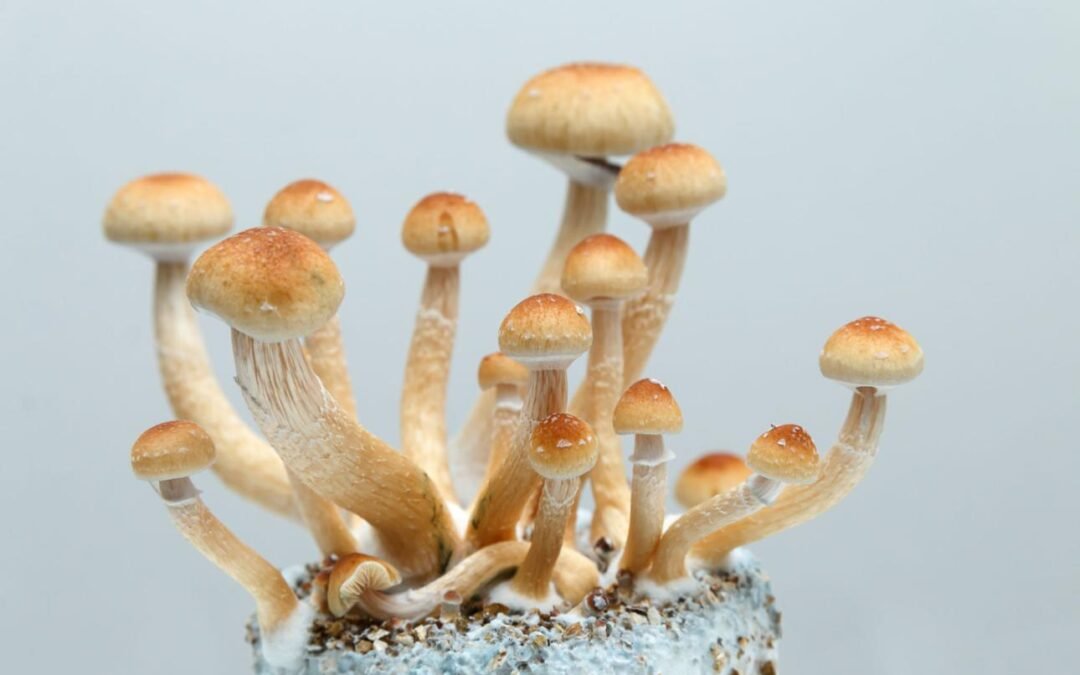
Golden Teacher mushrooms are among the best-known varieties associated with Psilocybe cubensis, a species of mushroom that naturally contains the psychoactive compound psilocybin. They are recognised by their golden-coloured caps and distinctive appearance.
In recent years, scientific interest in psychedelic mushrooms has increased, particularly because researchers are investigating how psilocybin interacts with the human brain, nervous system and psychological processes.
The potential effects of Golden Teacher mushrooms are frequently discussed in relation to brain activity, emotional processing, perception and mental health research. However, it is important to distinguish between scientifically investigated possibilities and health claims that have not been established.
Although studies involving psilocybin have produced interesting findings in carefully supervised adult clinical settings, this does not mean Golden Teacher mushrooms are proven treatments for medical conditions or that consuming them provides general health benefits.
This article explores what Golden Teacher mushrooms are, how their main compound interacts with the body, what researchers are investigating and the potential health and safety concerns.
1. What Are Golden Teacher Mushrooms?
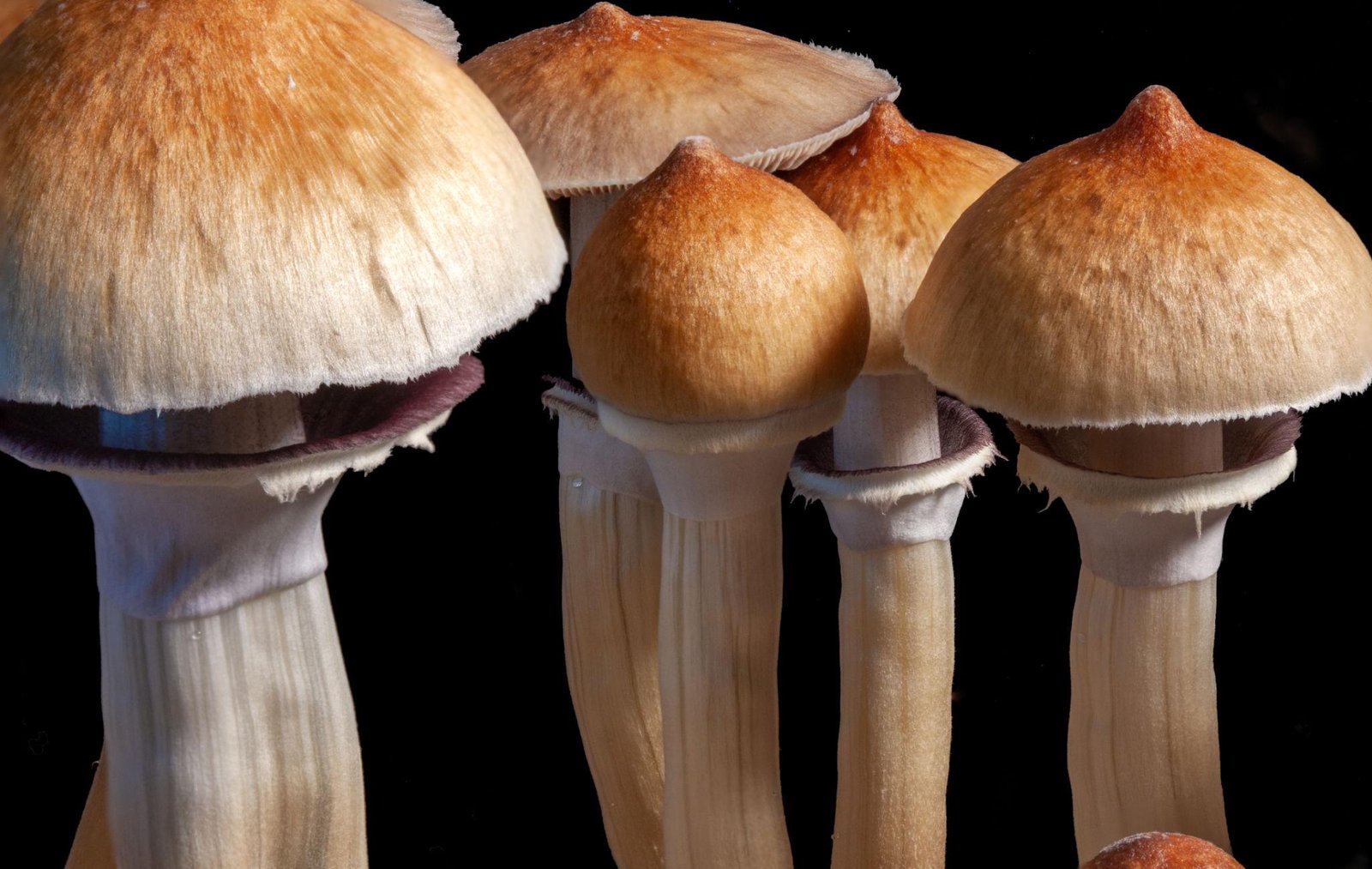
Golden Teacher is a commonly used name for a variety of Psilocybe cubensis. The name is associated with the mushroom’s golden-coloured cap and the distinctive appearance of its fruiting body.
The mushroom belongs to a species known for containing psilocybin, a naturally occurring psychedelic compound.
Golden Teacher mushrooms are frequently discussed in scientific and educational conversations about psychedelics because of the wider research into psilocybin and its effects on the human brain.
Key characteristics
Some commonly described characteristics include:
Golden or yellowish-brown caps.
A pale-coloured stem.
A rounded cap that can become flatter as the mushroom develops.
Association with the species Psilocybe cubensis.
Natural occurrence of psilocybin and psilocin-related compounds.
It is important to understand that Golden Teacher is a variety name, not a separate scientific species. Its name also does not guarantee a consistent chemical composition.
2. What Is Psilocybin and How Does It Work?
Psilocybin is the primary psychedelic compound associated with Golden Teacher mushrooms.
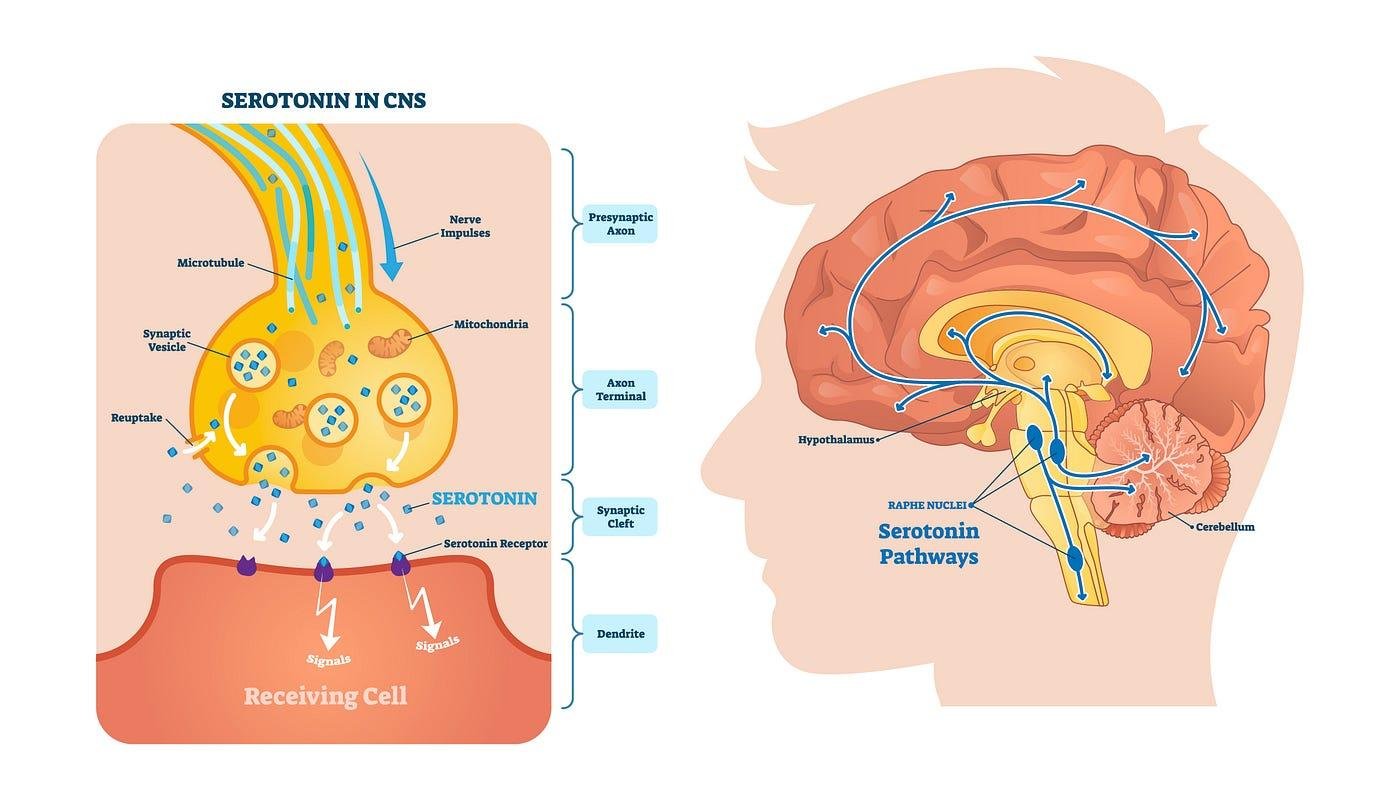
After entering the body, psilocybin is converted into another compound called psilocin. Psilocin interacts with serotonin receptors, particularly the 5-HT2A receptor.
Serotonin is a neurotransmitter involved in several important processes, including:
Mood regulation.
Sleep and wakefulness.
Emotional processing.
Sensory perception.
Cognitive functions.
The interaction between psilocin and serotonin receptors helps explain why psychedelic substances can temporarily change perception, emotions and thought patterns.
Scientists continue to investigate how these interactions influence brain activity and why some psychological effects may persist beyond the immediate experience.
3. How Do Golden Teacher Mushrooms Affect the Human Body?
The effects associated with psilocybin are not limited to the brain. The substance can influence several physical and psychological processes.
3.1 Effects on the Brain and Nervous System
The brain is one of the main areas affected by psilocybin.
Researchers have investigated how the compound influences communication between different brain regions and the activity of serotonin receptors.
Studies using brain-imaging technology have identified changes in patterns of brain activity during the acute effects of psilocybin.
These findings are helping scientists understand consciousness, perception and the relationship between brain activity and subjective experiences.
However, changes in brain activity should not automatically be interpreted as improvements in brain health.
3.2 Effects on Mood and Emotional Processing
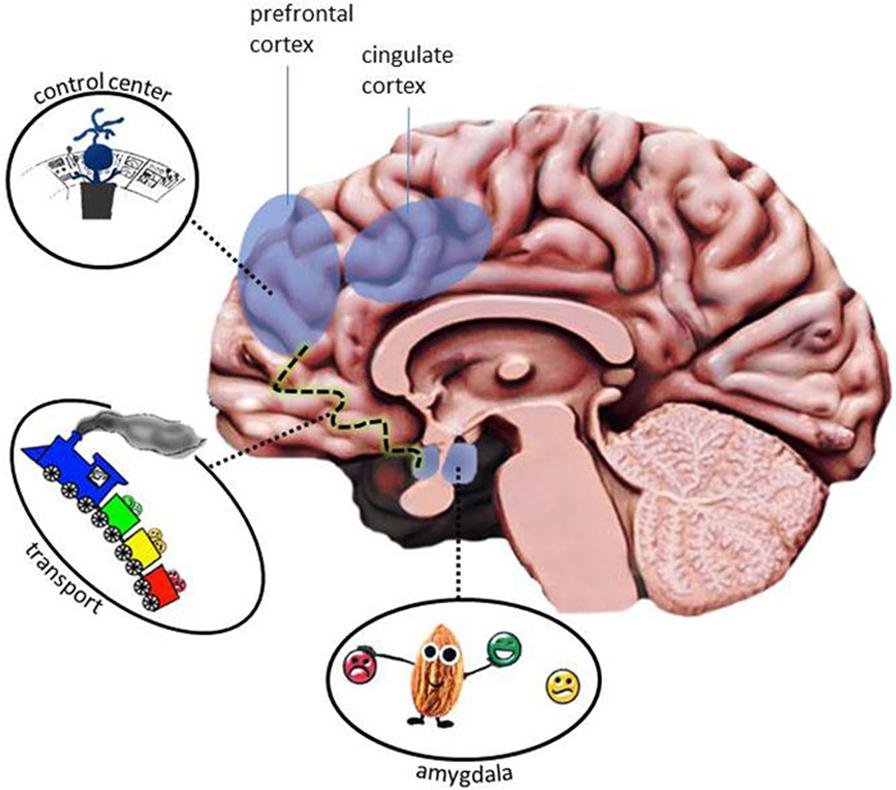
Psilocybin has attracted considerable research interest because of its relationship with emotional processing.
Clinical studies involving carefully selected adults have investigated whether supervised psilocybin treatment may help people experiencing certain mental health conditions.
Some studies have reported improvements in depression-related symptoms among participants receiving structured psychological support alongside clinical treatment.
However, these findings relate to specific clinical programmes, not ordinary mushroom consumption.
Researchers are still examining the mechanisms behind these observations and the possible risks involved.
3.3 Effects on the Cardiovascular System
Psilocybin can temporarily affect cardiovascular activity.
Research has documented changes such as:
Increased heart rate.
Elevated blood pressure.
Changes in physical sensations.
These effects are important because people with certain cardiovascular conditions may face additional risks.
This is one reason medical screening and monitoring are important in clinical research.
3.4 Effects on the Digestive System
The digestive system may also be affected.
Reported physical reactions associated with psilocybin include nausea, vomiting and stomach discomfort.
These reactions can vary between individuals and are among the adverse effects researchers monitor in clinical studies.
3.5 Effects on Sensory Perception
One of the recognised effects of psilocybin is its influence on sensory processing.
People may experience changes in how they perceive:
Colours and visual patterns.
Sounds.
Time.
Their surroundings.
Their thoughts and emotions.
These effects can be unpredictable and may become distressing rather than positive.
4. Potential Health Benefits: What Is Science Investigating?

The potential health applications of psilocybin are an active area of scientific research. However, evidence from clinical studies should not be presented as proof that Golden Teacher mushrooms provide the same benefits.
Here are some of the main research areas.
4.1 Mental Health Research
One of the most widely investigated areas is the possible role of supervised psilocybin treatment in mental healthcare.
Clinical researchers have examined its potential application in adults with depression and other psychological conditions.
Some controlled studies have reported promising results, but researchers continue to investigate treatment effectiveness, participant selection, long-term outcomes and safety.
Psilocybin is not an established self-treatment for depression or other mental health conditions.
4.2 Brain Connectivity Research
Scientists are interested in how psilocybin influences communication between different areas of the brain.
Brain-imaging studies have reported temporary changes in functional connectivity, meaning patterns of coordinated activity between brain regions.
Researchers are investigating whether these changes help explain alterations in perception and consciousness.
It remains uncertain how these findings translate into lasting health outcomes.
4.3 Neuroplasticity Research
Neuroplasticity refers to the brain’s ability to change and adapt its connections and functions.
Some laboratory and animal studies have investigated whether psychedelic compounds influence biological processes associated with neuroplasticity.
This is an important research area because scientists want to understand how brain adaptation relates to learning, memory and psychological health.
However, experimental findings do not establish that Golden Teacher mushrooms repair the brain or improve neurological health in humans.
4.4 Research into Emotional Wellbeing
Researchers have also examined the relationship between supervised psychedelic experiences and emotional wellbeing.
Some studies have reported changes in psychological measurements, including mood and emotional processing.
Nevertheless, findings vary, and more research is required to understand the long-term implications.
5. Golden Teacher Mushrooms and Other Mushroom Varieties
Golden Teacher belongs to Psilocybe cubensis. It is different from edible mushrooms such as lion’s mane.
Mushroom | Scientific name | General classification |
|---|---|---|
Golden Teacher | Psilocybe cubensis | Psilocybin-containing mushroom variety |
Lion’s mane | Hericium erinaceus | Edible mushroom |
Button mushroom | Agaricus bisporus | Common edible mushroom |
These mushrooms have different biological characteristics and chemical compositions.
For example, lion’s mane is being investigated for compounds associated with nerve-cell research, whereas Golden Teacher is associated with psilocybin research.
The research findings for one mushroom should not be automatically applied to another.
6. Potential Risks and Side Effects
Although Golden Teacher mushrooms are naturally occurring, natural substances are not automatically safe.
Psilocybin can produce unpredictable psychological and physical effects.
Potential adverse effects include:
Anxiety and panic.
Confusion and disorientation.
Nausea and vomiting.
Increased heart rate and blood pressure.
Impaired judgement.
Distressing psychological experiences.
Persistent perceptual disturbances in some cases.
There are also concerns about psychological risks for people with certain mental health vulnerabilities.
The long-term effects of repeated exposure are not fully understood.
Golden Teacher mushrooms are not suitable for teenagers. Their effects on developing brains and psychological development have not been adequately established.
7. Why Are Scientists Interested in Golden Teacher Mushrooms?

Much of the scientific interest surrounding Golden Teacher mushrooms comes from the wider investigation of psilocybin.
Researchers are studying questions such as:
How does psilocybin influence serotonin receptors?
How does it affect communication between brain regions?
What biological processes are associated with neuroplasticity?
Can supervised psilocybin treatment help certain adult patients?
What are the possible long-term psychological effects?
Which factors influence the safety and effectiveness of clinical treatment?
These questions are important because understanding the mechanisms and risks of psychedelic compounds may help researchers evaluate their possible medical applications.
However, Golden Teacher-specific clinical research is limited. Most available findings concern psilocybin more broadly rather than this particular mushroom variety.
8. Frequently Asked Questions About Golden Teacher Mushrooms
What are Golden Teacher mushrooms?
Golden Teacher is a commonly used name for a variety of Psilocybe cubensis, a mushroom species associated with the naturally occurring psychedelic compound psilocybin.
Do Golden Teacher mushrooms have health benefits?
There is no established evidence that consuming Golden Teacher mushrooms provides general health benefits. Research into psilocybin has investigated possible medical applications under controlled clinical conditions.
How do Golden Teacher mushrooms affect the brain?
Their psilocybin content is converted into psilocin, which interacts with serotonin receptors. This can temporarily alter perception, thought patterns, emotions and brain activity.
Are Golden Teacher mushrooms the same as lion’s mane?
No. Golden Teacher is associated with Psilocybe cubensis, while lion’s mane is an edible mushroom known scientifically as Hericium erinaceus.
Can psilocybin help with depression?
Some clinical trials involving adults have reported promising results for supervised psilocybin treatment in depression. However, this is a specialised research and medical area, not evidence that mushroom consumption is a safe treatment.
Are Golden Teacher mushrooms safe?
They carry psychological and physical risks. Effects can be unpredictable, and their long-term safety is not fully understood.
Are Golden Teacher mushrooms legal?
Legal status varies between countries. Psilocybin is controlled in many jurisdictions, so local legislation matters.
9. Conclusion: Understanding Golden Teacher Mushrooms Through Science
Golden Teacher mushrooms are an interesting subject within the wider field of psychedelic research because they contain psilocybin, a compound that influences serotonin signalling and brain activity.
Scientific investigations have explored its relationship with emotional processing, brain connectivity, neuroplasticity and potential mental health applications.
However, it is essential to distinguish between scientific research and established medical benefits. Findings from supervised clinical studies do not prove that consuming Golden Teacher mushrooms improves general physical or mental health.
More research is needed to understand the long-term effects, safety considerations and possible clinical applications of psilocybin.
For now, Golden Teacher mushrooms should be understood through accurate scientific information rather than unverified health claims.