
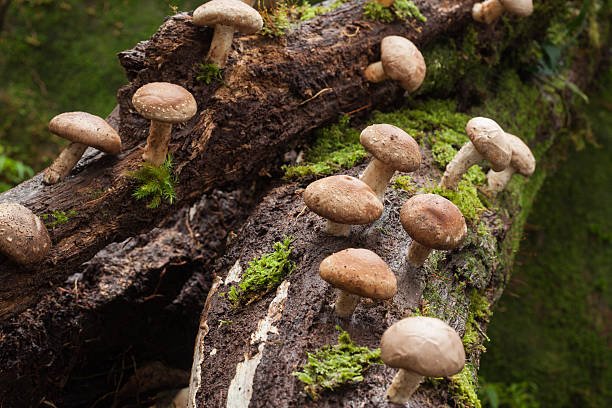
How to grow shiitake mushrooms at home is a rewarding way to learn about mushroom cultivation while producing a popular culinary mushroom for your kitchen. Known for their rich, savoury flavour and distinctive brown caps, shiitake mushrooms are widely used in soups, stir-fries, noodle dishes and other recipes.
Unlike some mushrooms that grow readily on simple agricultural substrates, shiitake mushrooms naturally grow on hardwood. Successful cultivation therefore depends on choosing suitable growing materials, maintaining clean conditions, allowing enough time for colonisation and providing the right environment for mushroom formation.
The good news is that home growers have several options. You can cultivate shiitake outdoors on hardwood logs or grow them indoors using prepared sawdust blocks. The best method depends on your available space, budget, climate and how much time you want to invest.
This comprehensive guide explains how shiitake mushrooms grow, compares popular cultivation methods, covers the essential stages of the growing process and provides practical advice for troubleshooting common problems.
1. Understand How Shiitake Mushrooms Grow
Shiitake mushrooms (Lentinula edodes) are wood-decaying fungi. In nature, their mycelium grows through suitable hardwood, gradually breaking down the material and obtaining the nutrients it needs.
Mycelium is the network of fine fungal threads that develops within the growing substrate. The mushrooms visible above the surface are the fruiting bodies produced when the fungus reaches the appropriate stage of development and environmental conditions encourage fruiting.
Understanding this life cycle is important because shiitake cultivation is not simply a matter of adding moisture and waiting for mushrooms to appear.
The process generally involves several stages:
- Selecting suitable hardwood or a prepared growing block.
- Introducing shiitake spawn to the growing material.
- Allowing the mycelium to colonise the substrate.
- Waiting for the substrate to mature.
- Providing suitable fruiting conditions.
- Harvesting mature mushrooms and maintaining the growing material for subsequent flushes where appropriate.
The length of each stage depends on the cultivation method, strain, substrate and environmental conditions.
Patience is particularly important when growing shiitake on logs. Outdoor logs can take many months, sometimes longer than a year, to produce their first mushrooms. Prepared indoor blocks can fruit sooner, depending on how mature they are when purchased.
2. Choose the Best Shiitake Growing Method
Before purchasing supplies, decide where you intend to grow your mushrooms. The two principal methods for home cultivation are hardwood logs and supplemented hardwood sawdust blocks.
Growing shiitake mushrooms on hardwood logs
Log cultivation recreates the conditions in which shiitake naturally grows. Suitable hardwood logs are inoculated with shiitake spawn and stored in a shaded location while the mycelium spreads through the wood.
Commonly used hardwoods include oak, beech and other suitable non-aromatic hardwood species. The best choice depends on regional availability and established cultivation recommendations for the particular species of wood.
Advantages include:
- A natural outdoor growing system.
- Relatively low ongoing equipment requirements.
- Potential production over multiple seasons.
- A useful option for gardens and shaded outdoor spaces.
The main disadvantage is the time required for colonisation. Log cultivation is generally unsuitable for someone expecting a quick harvest.
Growing shiitake mushrooms on sawdust blocks
Indoor cultivation commonly uses hardwood sawdust blocks that have been prepared, supplemented and inoculated under controlled conditions.
These blocks are designed to provide the fungus with a suitable nutrient source. They may be purchased as ready-to-fruit blocks or as prepared blocks that still require further colonisation.
Advantages include better control over temperature, humidity and airflow, as well as more compact use of space.
However, indoor cultivation requires attention to fresh air, moisture management and cleanliness. Prepared blocks may also require more specialised production equipment if you intend to make them yourself.
Which method should beginners choose?
| Feature | Hardwood logs | Sawdust blocks |
|---|---|---|
| Best location | Shaded outdoor area | Suitable indoor growing space |
| Time to first harvest | Usually months or longer | Depends on block maturity |
| Equipment | Basic log-cultivation supplies | Humidity control and suitable growing equipment |
| Space requirements | Outdoor storage space | Shelving or a compact growing area |
| Main challenge | Slow colonisation | Maintaining suitable fruiting conditions |
For beginners who want to understand the process without investing in specialised equipment, a ready-to-fruit shiitake block is often a practical starting point. Gardeners with suitable outdoor space may prefer log cultivation for its longer-term production potential.
3. Select the Right Wood-Based Substrate
The substrate is the material that supplies the fungus with its growing environment and nutrients. For shiitake, the choice of wood is especially important.
Choosing suitable hardwood
Use untreated hardwood that is appropriate for shiitake cultivation. Oak is a commonly used choice, while other suitable hardwoods may work depending on the strain and growing method.
Avoid wood treated with preservatives, paint or other chemicals. Aromatic softwoods are generally not the standard choice for shiitake cultivation.
For log cultivation, growers typically select healthy, recently cut logs with intact bark. Logs should be free from obvious rot and excessive contamination by competing fungi.
For indoor cultivation, hardwood sawdust is commonly combined with an appropriate supplement in a carefully prepared substrate. Because supplementation increases the availability of nutrients to competing organisms,How to grow shiitake mushrooms at home commercial-quality blocks require appropriate sterilisation and clean inoculation procedures.
Why substrate quality matters
An unsuitable substrate can slow colonisation, increase contamination risks and reduce productivity.
The substrate should match the chosen cultivation method. A log and a supplemented sawdust block have different moisture, preparation and handling requirements, so instructions designed for one method should not automatically be applied to the other.
4. Choose Quality Shiitake Spawn
Spawn is the material containing the shiitake mycelium used to establish the fungus in the growing substrate.
For log cultivation, growers commonly use suitable plug spawn or sawdust spawn. Indoor blocks may be purchased already inoculated with shiitake mycelium.
Choose spawn from a reputable supplier that identifies the species or strain and provides clear instructions for the intended growing method.
Fresh, appropriately stored spawn is important because its viability influences the establishment of the fungus. Follow the supplier’s storage and handling instructions, and check that the product is intended for shiitake rather than another mushroom species.
Beginners should avoid combining multiple strains or experimenting with several substrates at once. Starting with one method makes it easier to identify which conditions contribute to successful growth.
5. Maintain Clean Inoculation Practices
Inoculation is the process of introducing mushroom spawn into the growing substrate.
During this stage, unwanted fungi and bacteria can compete with shiitake for resources. Good hygiene reduces the likelihood of contamination, although it cannot guarantee that contamination will never occur.
Before beginning:
- Prepare the necessary materials and tools.
- Clean the work surface and follow the spawn supplier’s hygiene recommendations.
- Avoid dusty or dirty working environments.
- Handle prepared substrate and spawn carefully.
- Follow the appropriate instructions for logs, bags or prepared blocks.
Log inoculation generally involves introducing spawn into prepared holes and protecting the inoculation points according to the selected method.
Prepared indoor blocks require a different approach. Commercially prepared blocks are usually inoculated before they reach the home grower, whereas producing supplemented blocks from raw ingredients requires suitable substrate preparation, sterilisation and controlled handling.
Do not assume that a clean-looking substrate is sterile. Equally, do not attempt to rescue a visibly contaminated block by simply adding more spawn.
6. Allow the Mycelium to Colonise the Substrate
Colonisation is the period during which shiitake mycelium spreads through the wood or sawdust.
This stage often requires more patience than beginners expect. There may be little visible activity for a while, especially when the growing material is a log.
Indoor blocks may show white mycelial growth before gradually developing a firmer, more mature appearance. Shiitake blocks can also develop a brown surface as they mature, depending on the strain and cultivation conditions.
Why you should avoid rushing colonisation
Moving a block into fruiting conditions before it has matured can result in weak or inconsistent fruiting.
Likewise, disturbing inoculated logs unnecessarily can damage the growing environment or introduce contaminants.
Follow the supplier’s recommended colonisation conditions and timeline. Observe the material periodically, but avoid repeatedly opening, scraping or handling it without a clear reason.
How long does colonisation take?
There is no single timeline that applies to every shiitake grow.
Log colonisation commonly takes many months and can extend beyond a year. Indoor blocks may develop faster, but the timeline depends on their preparation, size, strain and maturity.
A slower-than-expected process does not automatically indicate failure. Look at the overall condition of the growing material and compare its progress with the instructions for that particular system.
7. Recognise Healthy and Potentially Contaminated Growth
Learning to recognise changes in the growing material can help you identify potential problems early.
White mycelial growth is common during colonisation, while gradual browning can be part of normal shiitake block maturation.
However, appearance alone cannot always establish whether a block is healthy.
Warning signs may include:
- Unusual green or black growth.
- Strong, unpleasant or sour odours.
- Unexpected slimy areas.
- Rapid deterioration of the substrate.
- Persistent wetness accompanied by abnormal discolouration.
These signs do not all have the same cause, and colour alone is not a definitive diagnosis.
If you suspect contamination, separate the affected material from healthy growing blocks and follow the supplier’s guidance for safe disposal. Avoid opening suspicious bags in living areas, particularly if visible mould is present.
8. Provide Suitable Fruiting Conditions
Once a shiitake block has matured sufficiently, it can be moved into conditions that support mushroom formation. The precise requirements depend on the strain and cultivation system.
Several environmental factors work together.
Temperature
Shiitake strains differ in their temperature preferences. Some are better suited to cooler conditions, while others perform well at warmer temperatures.
Check the temperature range recommended by the spawn or block supplier rather than assuming that all shiitake strains behave identically.
Large or sudden temperature changes are not necessarily beneficial. A stable environment within the appropriate range is generally easier to manage.
Humidity
Developing mushrooms need sufficient moisture to prevent excessive drying.
Indoor growers may use a humidifier, a suitable growing enclosure or another system designed to maintain appropriate humidity. The objective is to maintain a suitable moisture level without leaving mushrooms and growing surfaces continuously wet.
Excessive condensation and poor air exchange can contribute to problems, so humidity should be managed alongside ventilation.
Fresh air
Mushrooms exchange gases with their surroundings. Insufficient fresh air can affect their development and appearance.
Indoor cultivation areas should provide suitable air exchange without exposing developing mushrooms to strong, drying drafts.
If mushrooms develop unusually elongated stems or other abnormal features, review the overall growing environment, including ventilation, rather than making repeated changes to humidity alone.
Light
Shiitake does not need direct sunlight to fruit. Suitable indirect light can help provide an appropriate fruiting environment.
Avoid exposing indoor blocks to intense direct sunlight, which can overheat or dry the substrate.
The aim is to create a stable environment that matches the requirements of the particular shiitake strain.
9. Encourage Fruiting at the Right Time
Fruiting begins when a sufficiently developed shiitake culture responds to appropriate environmental conditions.
For outdoor logs, fruiting may occur naturally as seasonal conditions change. Some cultivation methods use soaking or other moisture-management practices to encourage fruiting after the logs have matured sufficiently.
Indoor blocks may require changes in temperature, humidity, ventilation or other conditions specified by the manufacturer.
The important principle is to avoid triggering fruiting before the substrate is ready.
A block that has not completed its development may produce disappointing results if conditions are changed too early. Follow the recommended maturation period and fruiting instructions for your particular setup.
10. Harvest Shiitake Mushrooms at the Right Stage
Harvest timing influences the texture, appearance and culinary quality of shiitake mushrooms.
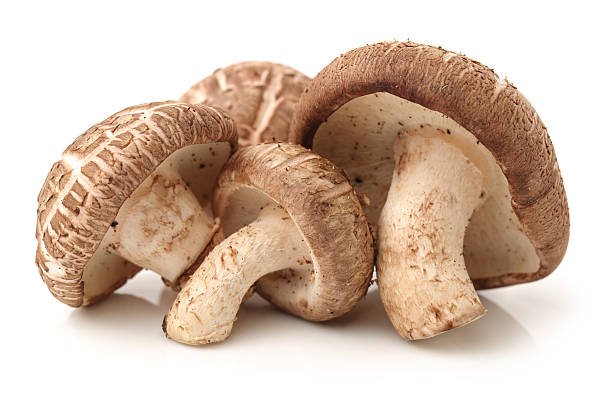
The caps are generally harvested when they have expanded and developed their characteristic shape, while the mushrooms remain firm and in good condition.
Rather than relying on one visual feature, consider the cap size, shape, firmness and overall maturity. Different strains can develop at different rates.
Use clean hands or a suitable clean tool to harvest the mushrooms carefully. Avoid unnecessarily damaging the substrate or surrounding developing mushrooms.
After harvesting, inspect the growing block and follow the supplier’s guidance for rest periods, moisture management and subsequent flushes.
Fresh mushrooms should be handled hygienically and refrigerated appropriately. Cook shiitake mushrooms thoroughly before eating.
11. How Many Harvests Can You Expect?
The number and size of harvests depend on the growing method, strain, substrate quality, environmental conditions and health of the mycelium.
Outdoor logs can produce mushrooms over multiple seasons when properly established, although production varies with weather and log condition.
Indoor blocks may provide several flushes, but the number is not guaranteed. Each harvest uses resources from the substrate, and production generally changes as the block ages.
For useful comparisons, keep simple records of the growing method, dates, environmental conditions and harvest weights. Recording results makes it easier to understand how a particular setup performs over time.
Avoid assuming that every block will produce the same yield, even when the blocks appear similar.
12. Common Shiitake Growing Problems and Solutions
The block is not producing mushrooms
Possible explanations include incomplete maturation, unsuitable environmental conditions or a block that has exhausted much of its available resources.
Check whether the block has completed the recommended colonisation period. Review the temperature, humidity, air exchange and fruiting instructions before changing several variables at once.
The mushrooms are drying out
Low humidity, strong drafts or excessive heat may cause developing mushrooms to lose moisture.
Check the growing environment and reduce direct airflow if necessary. Adjust humidity using a method suitable for the setup rather than repeatedly soaking the mushrooms themselves.
The substrate develops unusual colours
Some changes, including gradual browning of shiitake blocks, can be normal. Other discolouration may indicate contamination.
Assess the colour change alongside odour, texture and the overall condition of the substrate. If contamination is suspected, isolate the material and seek advice from the supplier.
The mushrooms develop unusual shapes
Mushroom shape can be affected by strain characteristics and environmental conditions, including air exchange, humidity and temperature.
Compare the mushrooms with the expected characteristics of the strain and assess the growing conditions as a whole. One unusual mushroom does not necessarily mean the entire block has failed.
Growth is slower than expected
Shiitake is generally slower to establish than some commonly cultivated mushroom varieties.
Check the substrate, strain requirements and recommended timeline before assuming something is wrong. Avoid repeatedly disturbing the material in an attempt to accelerate growth.
13. Tips for Making Shiitake Cultivation More Consistent
Successful mushroom cultivation improves with observation and careful record-keeping.
For beginners, a few practical habits can make the process easier to understand.
Start small. Begin with one log or a prepared block before investing in a larger setup.
Follow strain-specific instructions. Temperature and fruiting requirements can differ between shiitake strains and growing systems.
Keep records. Note when the growing material was started, when colonisation appeared complete, and when fruiting and harvesting occurred.
Change one variable at a time. When troubleshooting, adjust a single relevant factor and observe the results before making further changes.
Maintain cleanliness. Use clean equipment and follow sensible hygiene practices throughout cultivation and harvesting.
Be realistic about timelines. Shiitake cultivation rewards patience, and results depend on the condition of the growing material as well as environmental management.
Frequently Asked Questions About Growing Shiitake Mushrooms at Home
Can shiitake mushrooms be grown indoors?
Yes. Indoor cultivation is commonly carried out using prepared hardwood sawdust blocks. The growing area needs appropriate temperature, humidity, light and fresh air, as well as good hygiene.
Can shiitake mushrooms be grown in a garden?
Yes. Hardwood log cultivation is a traditional outdoor method. Logs should be made from suitable untreated hardwood and kept in an appropriate shaded environment while the mycelium develops.
How long does it take to grow shiitake mushrooms?
The timeline varies. Outdoor logs may take many months or longer than a year to produce their first mushrooms. Prepared indoor blocks can fruit sooner, depending on their maturity and the manufacturer’s instructions.
What wood is best for shiitake cultivation?
Oak is a commonly used hardwood, although other suitable hardwoods can also be used. The choice should be appropriate for the growing method and shiitake strain.
Do shiitake mushrooms need sunlight?
They do not require direct sunlight. Suitable indirect light can support a normal fruiting environment, while strong direct sunlight can dry or overheat the growing material.
Why is my shiitake block turning brown?
Gradual browning can be a normal part of shiitake block maturation. However, colour should be assessed alongside other signs, including odour, texture and unusual growth.
Can I reuse a shiitake block after harvesting?
Some blocks produce additional flushes after harvesting. Follow the supplier’s instructions for resting and maintaining the block. Production may decline as the available nutrients are depleted.
Is growing shiitake mushrooms difficult for beginners?
It is manageable with preparation and patience. Starting with a ready-to-fruit block can simplify the process, while log cultivation offers a longer-term outdoor alternative.
How should freshly harvested shiitake mushrooms be stored?
Handle them hygienically, refrigerate them promptly and follow recognised food-storage guidance. Cook them thoroughly before consumption.
Conclusion
Growing shiitake mushrooms at home is a process that rewards patience, observation and consistent care. By choosing a suitable growing method, using appropriate hardwood materials, allowing the mycelium enough time to develop and maintaining suitable fruiting conditions, home growers can better understand the requirements of this distinctive culinary mushroom.
Beginners often benefit from starting with a prepared indoor block because it simplifies substrate preparation and inoculation. Those with suitable outdoor space may prefer hardwood logs, which can provide production over multiple seasons after successful establishment.
Regardless of the method, the most important principles are straightforward: use suitable growing materials, follow strain-specific instructions, maintain cleanliness, avoid unnecessary disturbances and learn from each growing cycle.
With realistic expectations and a consistent approach, shiitake cultivation can become an enjoyable and educational home-growing project.
This article is for general educational purposes. Follow the safety, handling and cultivation instructions supplied with your growing materials.