
Mushroom chocolate bars uk have become a topic of growing interest among people searching for information about mushroom-based confectionery, functional mushroom ingredients and psychedelic mushroom products. Although these products may look similar on the outside, their ingredients, intended uses, safety considerations and legal status can be very different.
Understanding what a mushroom chocolate bar contains is essential before drawing conclusions about its quality, effects or legality. Product names and packaging do not always provide enough information to establish the exact composition of a product.
This comprehensive guide explores the different types of mushroom chocolate, the ingredients that may be used, the importance of transparent labelling, potential health and safety concerns, and the legal position surrounding psychedelic mushrooms in the United Kingdom.
Whether you are researching mushroom-themed confectionery for the first time or trying to understand the differences between products, this guide provides a practical starting point.
What Are Mushroom Chocolate Bars?
Mushroom chocolate bars are chocolate products associated with mushroom ingredients. The term covers several distinct categories, and it is important not to assume that all products described this way contain the same substances.
Some products incorporate culinary mushroom ingredients, while others use extracts from non-psychoactive mushroom species. Products marketed as psychedelic mushroom chocolates may claim to contain psychoactive substances and require separate consideration because of their potential risks and legal implications.
Understanding these distinctions helps consumers interpret product descriptions more accurately.
1. Culinary mushroom chocolate
Culinary mushroom chocolate combines chocolate with ingredients derived from edible mushroom varieties. Depending on the formulation, the product may be designed around flavour, texture or a particular culinary concept.
The taste of a product depends on its chocolate base, the mushroom ingredients used and the manufacturing process. Some mushroom varieties have earthy, savoury or nutty flavour characteristics that may influence the overall taste.
As with any food product, the ingredient list should clearly identify the components used and disclose relevant allergens.
2. Functional mushroom chocolate
Functional mushroom products are commonly marketed using ingredients such as lion’s mane or reishi. These products may be promoted for wellness-related purposes, but marketing claims should not be confused with established clinical evidence.
The effects and safety of a particular formulation depend on its ingredients, preparation, concentration and the available scientific evidence. Findings about a mushroom extract cannot automatically be applied to every chocolate product containing that ingredient.
Consumers should be particularly cautious about claims that a food product can treat a medical condition, improve mental health or produce guaranteed cognitive benefits.
3. Psychedelic mushroom chocolate
Psychedelic mushroom chocolates are products marketed as containing psychoactive mushroom ingredients, including products that claim to contain psilocybin or psilocin.
These products are different from ordinary mushroom confectionery. Their composition may be uncertain, and the chocolate format does not establish the identity, purity or amount of any psychoactive substance present.
Some products may contain undisclosed ingredients or substances that differ from those described on their packaging. This uncertainty makes it difficult to assess their risks based on appearance or marketing information alone.
The legal position also differs from that of ordinary food products. In the UK, psilocybin and psilocin are controlled substances, and incorporating a controlled substance into chocolate does not automatically make the resulting product lawful.
What Ingredients Can Mushroom Chocolate Contain?
The ingredients used in mushroom chocolate vary according to the product and its intended purpose. Examining the ingredient declaration is therefore more useful than relying on a product name alone.
Chocolate and cocoa ingredients
The chocolate component may contain cocoa mass, cocoa butter, sugar, milk ingredients, emulsifiers and flavourings. The exact combination depends on the recipe.
Dark chocolate, milk chocolate and white chocolate have different compositions and flavour profiles. These differences may affect the sweetness, texture and overall sensory experience of a confectionery product.
People with food allergies or dietary restrictions should check the complete ingredient list rather than assuming that a particular chocolate type is suitable for them.
Mushroom powders and extracts
Some products use mushroom powders, while others list extracts or other mushroom-derived ingredients.
These terms describe different forms of ingredients and do not, by themselves, establish their concentration, purity or effectiveness. A clear label should identify the relevant mushroom species and provide appropriate information about the ingredient used.
If the identity or quantity of an ingredient is unclear, it is not possible to make a reliable assessment of the product’s composition from the packaging alone.
Additional ingredients and undeclared substances
Confectionery may contain flavourings, sweeteners, emulsifiers, preservatives or other ingredients. Products marketed outside established food-safety systems can present additional uncertainty if their composition has not been adequately verified.
A product that looks professional is not necessarily tested or accurately labelled. Likewise, a detailed-looking label is not independent proof that the contents match the declaration.
How to Read Mushroom Chocolate Product Labels
Product labelling is an important source of information, but its reliability depends on whether the declaration is accurate and complete.
When evaluating a mushroom-themed food product, consider the following factors.
Ingredient identification: The label should identify the ingredients clearly enough for consumers to understand what the product contains. Vague descriptions can make it difficult to distinguish between ordinary food ingredients and substances with different properties.
Allergen information: Chocolate may contain milk, soy, nuts or other allergens. Manufacturing environments can also introduce cross-contact risks. People with allergies should consult the relevant allergen declaration.
Manufacturer details: Identifiable manufacturer or responsible-business information can help consumers establish who is accountable for the product and where questions or complaints should be directed.
Batch identification: Batch or lot information can support traceability when a product is subject to a safety investigation or recall.
Storage instructions: Chocolate can be affected by heat, moisture and unsuitable storage conditions. Follow the manufacturer’s instructions and avoid consuming products whose packaging or contents show signs of damage or contamination.
Independent testing: Testing documentation can be useful when it identifies the exact product, batch, laboratory and substances examined. A report should not be interpreted as proof of general safety if it tests only a limited number of substances or applies to a different batch.
These checks do not guarantee safety, but they can help reveal when important information is missing.
Are Mushroom Chocolate Bars Safe?
There is no single answer that applies to every product described as mushroom chocolate. Safety depends on the actual ingredients, their concentrations, the manufacturing process, contamination risks and the circumstances of exposure.
Ordinary confectionery has familiar food-related considerations, including allergens and storage conditions. Products containing unidentified or psychoactive substances introduce additional uncertainties.
Potential risks of unknown ingredients
When a product’s contents are not reliably established, consumers may not know which substances are present or in what amounts. This can make it difficult to anticipate adverse reactions or interactions with medicines.
Packaging, colour, smell and taste cannot reliably identify a psychoactive substance or establish its concentration.
Possible psychological effects
Psychoactive substances can affect perception, mood, thinking and judgement. Depending on the substance and the individual, adverse effects may include anxiety, panic, confusion or frightening perceptual experiences.
The possibility of an unexpected reaction is particularly concerning when the contents or concentration of a product are unknown.
Interactions and individual differences
A person’s response to a substance may be affected by health conditions, other substances, medicines and individual sensitivity. It is not possible to assess these factors from a product description alone.
Claims that a product is suitable for everyone, completely safe or free from adverse effects should be treated with caution.
What to do if an unexpected reaction occurs
If someone develops a severe reaction after consuming an unidentified mushroom chocolate product, seek urgent medical assistance. In an emergency in the UK, call 999.
If possible, retain the packaging and provide healthcare professionals with accurate information about what was consumed and when. Do not consume additional amounts in an attempt to change or manage the effects.
The Legal Status of Psychedelic Mushroom Chocolate in the UK
Understanding UK law is essential when researching products that may contain psychoactive mushroom substances.
The UK government identifies magic mushrooms as Class A drugs under its published drug-penalties guidance. Psilocybin and psilocin are controlled under the relevant UK drug legislation.
The legal implications depend on the substance involved and the circumstances. Relevant activities may include possession, production and supply. The fact that a controlled substance is mixed with chocolate or sold in confectionery-style packaging does not automatically remove the applicable restrictions.
It is also important to distinguish between a product made with ordinary edible mushrooms and one containing controlled psychoactive substances. The word “mushroom” alone does not determine the legal status of a product.
Consumers and businesses should not rely solely on a seller’s statements that a product is legal, intended for research or unsuitable for human consumption. Such descriptions do not necessarily resolve the legal position.
For authoritative information, consult the UK government’s drug penalties guidance and seek qualified legal advice where the application of the law to a specific product or activity is unclear.
What Is the Difference Between Mushroom Chocolate bars uk and Ordinary Chocolate?
Although both may be presented as chocolate bars, the comparison depends on the ingredients rather than the appearance.
Ordinary chocolate is a confectionery product whose composition is generally described through its food ingredients and allergen information.
Culinary mushroom chocolate introduces edible mushroom ingredients, which may influence the flavour, texture and overall formulation.
Functional mushroom chocolate may include mushroom-derived ingredients and be marketed with wellness-related claims. Those claims require careful evaluation and should not be accepted without appropriate evidence.
Psychedelic mushroom chocolate raises different questions because it may contain psychoactive substances, may have uncertain composition and can be subject to controlled-drug legislation.
The key distinction is that a chocolate bar’s appearance does not establish its ingredients, safety profile or legal status.
How to Evaluate Claims About Mushroom Chocolate
Online descriptions can use terms such as natural, premium, pure, tested or laboratory verified. These words should not be treated as sufficient evidence of a product’s quality or safety.
A reliable assessment should consider whether claims are specific, verifiable and supported by suitable evidence.
For example, a statement that a product has been tested is more meaningful when the documentation identifies the laboratory, batch, testing method and substances examined. A general statement without supporting information may provide little assurance.
Health-related claims require particular care. Evidence relating to an isolated ingredient may not establish the effects of a finished chocolate product. Results from preliminary laboratory research do not automatically demonstrate a health benefit in humans.
Consumers should be wary of claims promising guaranteed outcomes, universal suitability or treatment of medical conditions without adequate evidence.
Common Questions About Mushroom Chocolate Bars in the UK
What are mushroom chocolate bars?
Mushroom chocolate bars are chocolate products associated with mushroom ingredients. The term may refer to culinary mushroom confectionery, products containing non-psychoactive mushroom extracts or products marketed as psychedelic. Their composition and legal status can differ substantially.
Do all mushroom chocolate bars contain psilocybin?
No. The term does not establish the ingredients. Some products contain ordinary food ingredients or non-psychoactive mushroom extracts, while others may claim to contain psychoactive substances. The actual composition must be established independently where necessary.
Are mushroom chocolate bars legal in the UK?
The answer depends on the ingredients and circumstances. Ordinary food products containing lawful ingredients are different from products containing controlled substances. Psilocybin and psilocin are controlled under UK drug legislation, and placing them in chocolate does not automatically make the product lawful.
Can the packaging confirm that a mushroom chocolate product is safe?
No. Packaging may provide useful information, but it cannot independently establish that a product’s contents match its label or that it is free from contamination. Reliable traceability and appropriate testing may provide additional evidence, although no single document proves every aspect of safety.
Are functional mushroom chocolates medicines?
Not simply because they are marketed for wellness. A product’s regulatory status depends on its ingredients, intended purpose and applicable regulations. Consumers should not assume that a food product has been clinically proven to treat a condition or replace medical care.
What should I look for on a mushroom chocolate label?
Review the ingredient declaration, allergens, manufacturer information, batch details and storage instructions. Look for specific, verifiable claims rather than relying on vague descriptions. If the product’s composition or legal status is uncertain, do not assume it is safe or lawful.
Can mushroom chocolate cause adverse reactions?
Yes, depending on the ingredients. Ordinary confectionery can cause allergic reactions, while products containing psychoactive or undisclosed substances may produce additional effects. The risks cannot be reliably assessed without knowing what the product contains.
Are online product descriptions reliable?
Not necessarily. Descriptions can be incomplete, outdated or unsupported by independent evidence. Check claims against credible documentation and official guidance, especially when the claims concern safety, health effects or legality.
Final Thoughts: Make Informed Decisions About Mushroom Chocolate
Mushroom chocolate is a broad term covering products with different ingredients, intended uses and potential risks. Understanding those differences is more useful than judging a product by its name, appearance or promotional claims.
Consumers should pay attention to ingredient transparency, allergen declarations, traceability, evidence supporting product claims and the applicable UK legal framework.
Where a product may contain psychoactive substances, uncertainty about its composition and legal status deserves particular attention. Official guidance and qualified professional advice are more dependable than unsupported assurances from sellers.
Disclaimer: This article is intended for general educational purposes and does not constitute medical or legal advice. Product-specific safety and legal questions should be assessed using reliable evidence and the applicable regulations.
Official References
- UK Government: Drugs penalties
- Google Search Central: Creating helpful, reliable, people-first content
- Google Search Central: SEO Starter Guide
-

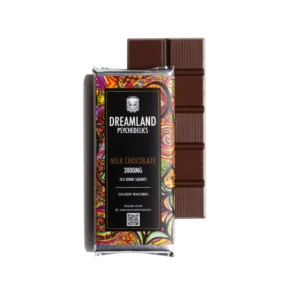
Dreamland Psychedelics – Mushroom Chocolate Bar
Price range: £50.00 through £71.00 Quick View -
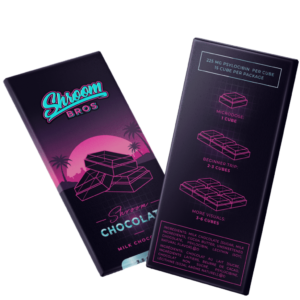
Magic Mushroom Milk Chocolate Bar (3.5g Each Bar)
£30.00 Quick View -
Sale!
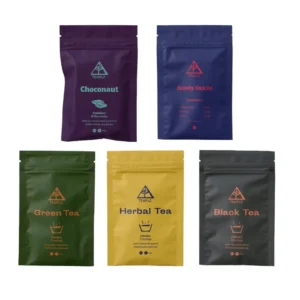
Temple Magic Mushroom Chocolate Choconaut Edibles
Original price was: £45.00.£44.00Current price is: £44.00. Quick View -
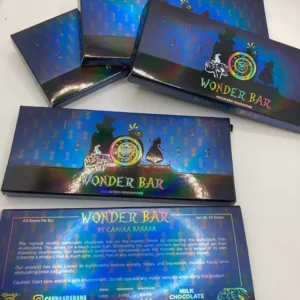
Wonder Mushrooms Chocolate Bars
Price range: £44.00 through £45.00 Quick View