
Psilocybin Truffles: Effects on the Human Body, Scientific Research and Health Risks
Introduction
Psilocybin-containing truffles are fungal structures that contain naturally occurring psychoactive compounds. They differ biologically from ordinary culinary truffles and edible mushrooms.
Scientific interest in psilocybin has increased because of ongoing research into brain connectivity, emotional processing, consciousness and mental health.
However, research involving pharmaceutical psilocybin does not establish that commercially marketed psychedelic truffles provide health benefits or are safe to consume.
Understanding their biological characteristics, psychological effects and potential health risks is essential when evaluating claims about these substances.
1. What Are Psilocybin Truffles?
Psilocybin truffles are fungal structures scientifically known as sclerotia. These structures allow certain fungi to store nutrients and survive unfavourable environmental conditions.
Unlike ordinary mushrooms, which are reproductive structures, sclerotia are compact masses of fungal tissue.
Certain species produce sclerotia containing psilocybin and related psychoactive compounds. These substances can significantly affect the central nervous system.
2. How Does Psilocybin Affect the Brain?
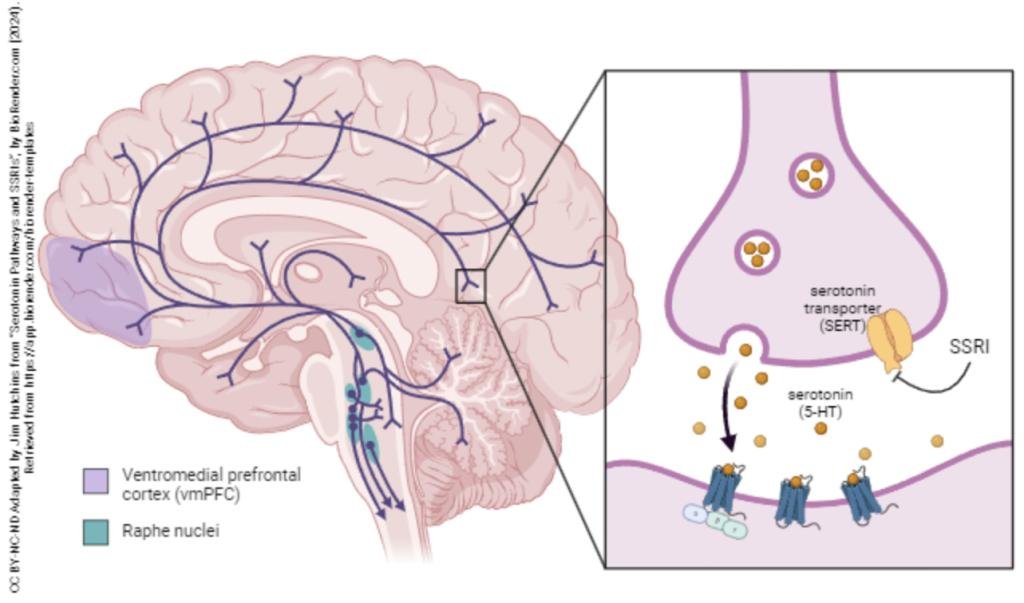
Psilocybin is converted into psilocin within the human body. Psilocin interacts with serotonin receptors, particularly the 5-HT2A receptor.
These receptors participate in several neurological processes, including perception, emotional regulation and cognition.
Changes in serotonin signalling can temporarily disrupt ordinary brain activity, affecting how individuals interpret their surroundings and process information.
Altered neurological activity does not necessarily indicate improved brain health.
3. Effects on the Human Body
Psilocybin exposure can affect multiple biological systems.
Body system | Potential effects |
|---|---|
Brain | Altered perception and cognition |
Nervous system | Disorientation and impaired coordination |
Cardiovascular system | Increased blood pressure and heart rate |
Digestive system | Nausea and vomiting |
Psychological health | Anxiety, panic and emotional distress |
Sensory system | Distorted sensory perception |
These effects can vary considerably between individuals.
Canada+1
Effects on the cardiovascular system
Temporary cardiovascular changes may create additional health concerns for individuals with underlying heart conditions.
Effects on digestive health
Gastrointestinal discomfort is a recognised adverse reaction associated with psilocybin exposure.
Effects on psychological health
Psilocybin can interfere with judgement, emotional regulation and awareness. Some psychological reactions may require professional medical attention.
4. What Does Scientific Research Say?

Researchers continue to investigate pharmaceutical psilocybin in controlled clinical environments.
Areas of investigation include depression, brain connectivity, emotional processing and certain substance use disorders.
A 2024 systematic review published in JAMA Network Open examined six randomised clinical trials involving 528 participants.
The researchers identified several adverse effects that occurred more frequently with psilocybin than with comparison treatments, including headaches, nausea, anxiety, dizziness and elevated blood pressure.
JAMA Network+1
The findings highlight the importance of medical monitoring, even within controlled research environments.
5. Psilocybin and Neuroplasticity
Neuroplasticity describes the nervous system’s ability to adapt its structure and activity.
Scientists are investigating whether psychedelic compounds influence cellular processes associated with neural adaptation.
However, laboratory observations cannot automatically establish meaningful improvements in human neurological health.
There is insufficient evidence that consuming psychedelic truffles repairs brain cells, improves intelligence or prevents neurological diseases.
6. Potential Long-Term Health Concerns
The long-term consequences of repeated psilocybin exposure remain incompletely understood.
Researchers continue to examine persistent psychological symptoms, perceptual disturbances and possible complications among individuals with psychiatric vulnerabilities.
A significant limitation is that clinical trials often involve carefully selected participants. Their findings may not represent outcomes in the wider population.
7. Why Clinical Research Is Different

Clinical research generally involves regulated pharmaceutical preparations, participant screening, professional supervision and systematic assessment of adverse effects.
Commercially marketed psychedelic products do not necessarily meet equivalent medical standards.
A product name or advertised description cannot establish its chemical composition, purity or safety.
The European Union Drugs Agency has also highlighted uncertainties surrounding unregulated psychedelic products and their associated health risks.
The European Union Drugs Agency (EUDA)
8. Common Misconceptions About Psilocybin Truffles
Natural substances are always safe. Natural origin does not eliminate toxicity or psychological risks.
Psilocybin improves everyone’s mental health. Clinical findings cannot be generalised to every individual.
Psychedelic truffles are ordinary edible truffles. They differ significantly in chemical composition and biological effects.
Scientific research establishes commercial product safety. Research involving pharmaceutical preparations does not validate unrelated commercial products.
Changes in brain activity indicate better brain function. Neurological changes are not necessarily beneficial.
9. When Medical Attention Is Necessary
Serious reactions following exposure to psychoactive substances may require emergency medical assistance.
Warning signs include difficulty breathing, chest pain, seizures, unconsciousness and severe or persistent confusion.
Anyone experiencing these symptoms should receive urgent medical attention. Children and teenagers should also inform a trusted adult.
10. Frequently Asked Questions
Are psychedelic truffles the same as ordinary culinary truffles?
No. They differ in their biological classification, chemical composition and effects on the human body.
Do psilocybin truffles provide proven health benefits?
There is no established evidence that commercially marketed psychedelic truffles provide general health benefits.
Can psilocybin affect blood pressure?
Yes. Increased blood pressure and cardiovascular changes have been documented in clinical research.
Can psilocybin cause anxiety?
Yes. Anxiety, panic and psychological distress are recognised potential adverse effects.
Can psychedelic truffles improve memory?
There is insufficient clinical evidence to establish that they improve memory or general cognitive performance.
Are the long-term effects fully understood?
No. Additional research is required to evaluate long-term neurological, psychological and physical outcomes.
Are psilocybin truffles suitable for teenagers?
No. Their safety in developing brains has not been established, and they carry significant psychological risks.
11. Conclusion
Psilocybin-containing truffles represent a subject of interest within mycology, neuroscience and pharmacology.
Although scientists continue to investigate pharmaceutical psilocybin, available research does not establish the safety or effectiveness of commercially marketed psychedelic truffles.
Understanding the distinction between scientific research and unsupported health claims is essential for responsible health education.