
The Health Benefits of Oyster Mushrooms: Nutrition, Wellness and How to Eat Them
Oyster mushrooms are among the most popular edible mushrooms worldwide. Known for their delicate texture, savoury flavour and fan-shaped appearance, they are a versatile ingredient in many cuisines. Beyond their culinary appeal, oyster mushrooms provide dietary fibre, protein, vitamins, minerals and naturally occurring compounds that researchers are studying for their potential health effects The Health Benefits of Oyster Mushrooms
But what makes oyster mushrooms a nutritious choice? Can they support heart health, digestion or blood sugar management? And how much of the research is supported by evidence in humans?
This guide explores the nutritional value of oyster mushrooms, their potential health benefits, practical ways to prepare them and important safety considerations.
What Are Oyster Mushrooms?
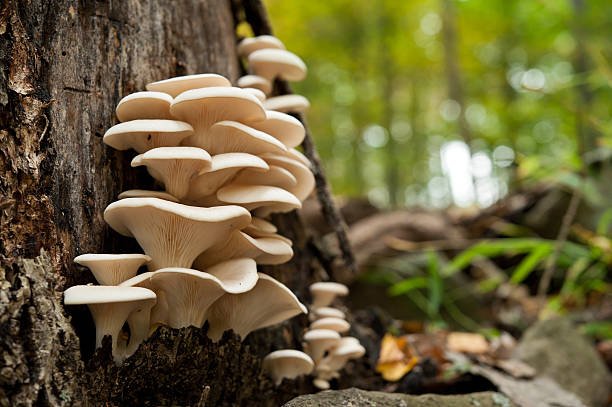
Oyster mushrooms, scientifically known as Pleurotus ostreatus, are edible fungi that grow naturally on decaying wood. They are cultivated commercially in many parts of the world and are valued for their relatively quick growth, distinctive flavour and ability to grow on suitable agricultural by-products.
Their caps often resemble oyster shells, which explains their common name. Depending on the variety, they may be white, grey, cream, yellow or pink.
Oyster mushrooms are used in soups, stir-fries, sauces, pasta dishes, rice meals and plant-based alternatives to meat. Their texture makes them particularly suitable for roasting, grilling and sautéing.
In addition to their culinary uses, oyster mushrooms contain compounds such as beta-glucans and other polysaccharides that are being investigated for possible biological effects. Research is promising in some areas, but it is important to distinguish the established nutritional value of eating mushrooms from medical claims that have not yet been confirmed.
Oyster Mushroom Nutrition: What Do They Contain?
Oyster mushrooms provide nutrients without contributing many calories. This makes them a useful ingredient for people looking to add variety, fibre and flavour to balanced meals.
Typical nutrition values for 100 grams of raw oyster mushrooms are approximately:
| Nutrient | Approximate amount |
|---|---|
| Calories | 33 kcal |
| Protein | 2.9 g |
| Carbohydrates | 6.9 g |
| Fat | 0.2 g |
| Dietary fibre | 2.9 g |
| Water | 89 g |
Values vary according to mushroom variety, growing conditions and the nutritional database used. Cooking methods also change the nutritional composition per 100 grams, particularly when water evaporates or oil is added.
Oyster mushrooms also provide nutrients such as niacin (vitamin B3), riboflavin (vitamin B2), folate, potassium, phosphorus, copper and selenium. The amount of each nutrient depends on the mushrooms and their growing conditions.
Source: USDA-derived oyster mushroom nutrition data.
1. They Can Support a Balanced, Heart-Healthy Diet
One of the most frequently studied potential benefits of oyster mushrooms is their relationship with cardiovascular health.
Oyster mushrooms contain fibre and beta-glucans, a type of polysaccharide found in the cell walls of certain fungi. Researchers are investigating whether these compounds, alongside other mushroom constituents, can influence blood lipid levels and other cardiometabolic measures.
A systematic review of clinical trials published in Nutrients in 2020 reported that some studies found reductions in total cholesterol, LDL cholesterol or triglycerides among participants consuming oyster mushrooms. Some trials also reported improvements in blood pressure.
However, the studies were generally small, and many had methodological limitations. The review therefore concluded that the overall evidence was of low certainty.
What this means in practice: Oyster mushrooms can be part of a heart-conscious eating pattern, especially when prepared with modest amounts of salt and oil. They should not be treated as a substitute for prescribed cholesterol or blood-pressure medication.
Research source: Systematic review of oyster mushroom intake and cardiometabolic health.
2. They Provide Dietary Fibre for Digestive Health
Dietary fibre is an important part of a healthy diet. It supports normal bowel function and can help people maintain regular digestion.
Oyster mushrooms contain dietary fibre, including components of fungal cell walls. Including them in meals can contribute to overall fibre intake alongside vegetables, fruits, legumes, whole grains, nuts and seeds.
Adequate fibre intake is associated with several aspects of digestive and general health. However, the specific effects of oyster mushrooms on the human gut microbiome and digestive disorders need more research.
For a balanced approach, combine oyster mushrooms with other fibre-rich foods rather than relying on one ingredient to meet your daily needs.
3. They Contain Compounds Being Studied for Immune Function
Oyster mushrooms contain beta-glucans and other biologically active compounds that have attracted scientific interest because of their interactions with immune-related processes.
Laboratory and animal research has investigated whether certain mushroom compounds influence immune signalling and inflammatory responses. These findings may help scientists understand how mushroom constituents work, but they do not automatically prove that eating oyster mushrooms prevents infections or strengthens immunity in a clinically meaningful way.
Human evidence remains limited, and effects may differ depending on the mushroom preparation, the compound studied and the amount consumed.
For everyday wellness, oyster mushrooms are best viewed as one nutritious food within a varied diet—not as an immune treatment or replacement for medical care.
4. They May Help Support Healthy Blood Sugar Management
Researchers have also investigated the possible relationship between oyster mushrooms and glucose metabolism.
Some clinical trials included in the 2020 systematic review reported improvements in fasting blood glucose or post-meal glucose measurements. The findings are interesting, but the available studies were limited and often had a high or unclear risk of bias.
Consequently, there is not enough strong evidence to recommend oyster mushrooms as a treatment for diabetes or as a reliable way to lower blood sugar.
People living with diabetes can generally consider edible oyster mushrooms as part of their usual meal planning, taking account of the full meal and any individual dietary advice. Anyone using glucose-lowering medication should not change their treatment because of claims about mushrooms.
5. They Provide B Vitamins for Normal Energy Metabolism
Oyster mushrooms contain several B vitamins, including niacin and riboflavin. These nutrients help the body convert food into usable energy and support normal cellular functions.
Niacin contributes to normal energy-yielding metabolism and nervous-system function. Riboflavin also plays a role in energy metabolism and helps maintain normal red blood cells.
Eating oyster mushrooms can contribute to vitamin intake, but they are not a complete source of every B vitamin. A varied diet remains important.
One useful point to remember is that foods do not usually provide an instant energy boost simply because they contain B vitamins. These nutrients support normal biological processes, particularly when dietary intake is adequate.
6. They Offer Minerals Needed for Normal Body Functions
Oyster mushrooms contain several minerals that contribute to normal physiological functions.
- Potassium: Helps maintain normal fluid balance and supports normal muscle and nerve function.
- Copper: Contributes to normal energy metabolism, connective-tissue maintenance and iron transport.
- Selenium: Supports normal thyroid function and antioxidant defence systems.
- Phosphorus: Contributes to the maintenance of bones and teeth and is involved in energy metabolism.
The quantities found in a serving will vary. Oyster mushrooms can contribute to overall nutrient intake, but they should be combined with other foods to meet the body’s mineral requirements.
People with kidney disease or prescribed restrictions on potassium intake should follow their healthcare professional’s dietary advice.
7. They Are a Low-Calorie Ingredient for Everyday Meals
Fresh oyster mushrooms contain substantial water and relatively little fat, making them useful in meals where calorie density matters.
They can add bulk, savoury flavour and texture to dishes without requiring large amounts of added fat. For example, they can be included in vegetable stir-fries, soups, omelettes or grain bowls.
However, the final calorie content depends on preparation. Deep-frying mushrooms or cooking them with large quantities of butter, oil or rich sauces can substantially increase the energy content of the meal.
Rather than thinking of oyster mushrooms as a weight-loss food, it is more accurate to view them as a versatile ingredient that can help make balanced meals satisfying.
8. They Can Add Variety to Plant-Based Meals
Oyster mushrooms are popular in vegetarian and vegan cooking because their savoury flavour and fibrous texture can make meals more satisfying.
They can be used in place of some meat ingredients in dishes such as tacos, pasta sauces, sandwiches, rice bowls and stews.
They also contribute a modest amount of protein. However, their protein content is lower than that of many concentrated sources such as beans, lentils, tofu, tempeh and seitan.
If you follow a plant-based diet, combine oyster mushrooms with legumes, soy foods, whole grains, nuts and seeds to build meals with a broader range of nutrients.
9. They Contain Antioxidant Compounds
Oyster mushrooms contain naturally occurring compounds that researchers have investigated for antioxidant activity.
Antioxidants can help neutralise certain reactive molecules in laboratory systems. This is one reason mushrooms and other plant-based foods are studied for their possible roles in human health.
Nevertheless, an antioxidant effect observed in a laboratory does not necessarily translate into a measurable health benefit from eating a particular food. The effects of a whole diet are more complex than the activity of an isolated compound.
The practical takeaway is straightforward: oyster mushrooms can contribute to a varied diet containing many different vegetables, fruits, legumes and other nutrient-rich foods. Claims that they detoxify the body or prevent particular diseases go beyond what current evidence can establish.
10. They Are a Versatile Addition to a Nutritious Diet
A further advantage of oyster mushrooms is their versatility. Their flavour works well with ingredients such as garlic, onions, black pepper, herbs, tomatoes, beans and whole grains.
This makes them easy to incorporate into meals that provide a mixture of protein, fibre, vitamins and minerals.
For example, a meal of sautéed oyster mushrooms with lentils and brown rice provides a different nutritional balance from mushrooms cooked alone. The combination of ingredients matters more than the health claims associated with any single food.
How to Prepare Oyster Mushrooms for Everyday Eating
Oyster mushrooms can be prepared in many ways. The best method depends on the dish, your taste preferences and how much added fat or salt you want to use.
Sautéed oyster mushrooms
Tear the mushrooms into bite-sized pieces. Heat a small amount of olive oil in a pan, add the mushrooms and cook until tender and lightly browned. Add garlic, black pepper and herbs near the end.
Oyster mushroom soup
Cook onions and garlic in a pot, add cleaned mushrooms and vegetable stock, then simmer until tender. Blend part or all of the soup for a smoother texture, or leave it chunky.
Roasted oyster mushrooms
Arrange the mushrooms on a baking tray with a little oil and seasoning. Roast until tender and browned, ensuring the pieces are cooked through.
Oyster mushroom and vegetable stir-fry
Cook oyster mushrooms with vegetables such as peppers, carrots, broccoli and cabbage. Serve with rice or noodles and add a protein source such as tofu, beans or chicken if desired.
Oyster mushrooms with whole grains
Combine cooked mushrooms with barley, brown rice or quinoa, along with vegetables and a source of protein. This creates a balanced meal with a variety of nutrients and textures.
How Often Can You Eat Oyster Mushrooms?
For most people who tolerate them, commercially cultivated oyster mushrooms can be included regularly as part of a varied diet. There is no universally established medicinal dose for eating them, and the evidence does not support a specific daily quantity for preventing or treating disease.
Choose portions that suit your appetite and overall meal plan. If you have never eaten oyster mushrooms before, start with a normal food portion and pay attention to how you feel.
Eating a wide range of edible mushrooms and other vegetables can also help prevent your diet from becoming unnecessarily repetitive.
Are There Any Side Effects or Safety Concerns?
Oyster mushrooms are commonly eaten as food, but there are several sensible precautions.
Allergic reactions
Some people may be allergic to mushrooms. Stop eating them and seek medical advice if you experience symptoms that suggest an allergic reaction. Difficulty breathing, swelling of the throat or tongue, or collapse requires emergency medical assistance.
Digestive discomfort
As with many fibre-containing foods, mushrooms may cause bloating or digestive discomfort in some people, particularly when eaten in large quantities.
Proper storage
Choose fresh mushrooms that are firm and free from signs of spoilage. Refrigerate them appropriately and follow package instructions. Avoid keeping fresh mushrooms unrefrigerated in airtight containers for extended periods.
Thorough cooking
Clean mushrooms carefully and cook them before eating. Use clean utensils and surfaces to reduce the risk of cross-contamination, particularly when handling raw meat, poultry or seafood.
Wild mushroom identification
Do not eat wild mushrooms unless their identification has been confirmed by a qualified expert. Some poisonous species can resemble edible varieties.
Supplements and extracts
Mushroom extracts and concentrated supplements are not equivalent to ordinary culinary portions. Their composition, strength and safety may differ. If you are pregnant, breastfeeding, taking medication or managing a health condition, consult a qualified healthcare professional before using concentrated mushroom products for medicinal purposes.
For additional guidance, see Health Canada’s mushroom food-safety advice.
Oyster Mushrooms vs Other Common Edible Mushrooms
Oyster mushrooms are one of many nutritious mushroom varieties. Each type has a different flavour, texture and nutrient profile.
| Mushroom | Culinary characteristics | Useful consideration |
|---|---|---|
| Oyster mushrooms | Delicate, savoury, tender | Versatile in stir-fries, soups and plant-based meals |
| Shiitake mushrooms | Rich, earthy, savoury | Popular in soups and Asian-inspired dishes |
| Button mushrooms | Mild, familiar flavour | Easy to use in everyday meals |
| Portobello mushrooms | Large caps, firm texture | Suitable for grilling and roasting |
| Lion’s mane mushrooms | Soft, fibrous texture | Different from common culinary mushrooms in appearance and research interest |
No single mushroom is best for everyone. Variety, preparation and the overall quality of the diet are more useful considerations than assuming one species offers every health benefit.
Frequently Asked Questions About Oyster Mushrooms
What are the main health benefits of oyster mushrooms?
Oyster mushrooms provide dietary fibre, protein, B vitamins and minerals while being relatively low in calories. They are a useful addition to balanced meals. Research also suggests possible effects on cholesterol and glucose metabolism, but the clinical evidence is still limited.
Are oyster mushrooms good for the heart?
They can be part of a heart-healthy eating pattern. Some small clinical trials have reported improvements in blood lipids or blood pressure, but the evidence is not strong enough to treat oyster mushrooms as a proven cardiovascular therapy.
Can oyster mushrooms help lower cholesterol?
Some studies have reported reductions in cholesterol measures after oyster mushroom consumption. However, results have not been consistent across all research, and more robust trials are needed. They should not replace prescribed cholesterol medication.
Are oyster mushrooms good for digestion?
They provide dietary fibre, which contributes to normal digestive function. Individual tolerance varies, and some people may experience bloating or discomfort.
Do oyster mushrooms contain protein?
Yes. Raw oyster mushrooms typically provide around 2.9 grams of protein per 100 grams, although values vary by source and preparation. They can contribute to protein intake but are not as concentrated a source as legumes, tofu or many animal-based foods.
Can people with diabetes eat oyster mushrooms?
Many people with diabetes can include commercially cultivated oyster mushrooms as part of their usual diet. Research into possible blood-sugar effects is preliminary, so mushrooms should not be used as a replacement for diabetes treatment.
Can you eat oyster mushrooms every day?
Most people who tolerate them can eat culinary oyster mushrooms regularly as part of a varied diet. There is no established daily medicinal dose, and eating more does not necessarily provide greater health benefits.
Are oyster mushrooms better than button mushrooms?
Neither is universally better. They have different textures and nutrient profiles, and both can contribute to a healthy diet. Including a variety of vegetables and edible mushrooms is a practical approach.
Do oyster mushrooms have medicinal properties?
Researchers have studied oyster mushrooms and their compounds for possible biological effects. However, findings from laboratory or animal studies do not prove that eating oyster mushrooms treats or prevents human diseases. More high-quality clinical research is needed.
Conclusion: Are Oyster Mushrooms Worth Adding to Your Diet?
Oyster mushrooms are a nutritious, versatile and relatively low-calorie food that can bring flavour and variety to everyday meals. They provide fibre, protein, B vitamins, minerals and compounds that researchers continue to investigate.
Some clinical research suggests potential benefits for cholesterol levels, blood sugar regulation and blood pressure. However, the evidence remains limited, and oyster mushrooms should not be presented as a cure or replacement for medical treatment.
The simplest approach is to enjoy properly stored and cooked oyster mushrooms alongside a varied diet rich in vegetables, fruits, legumes, whole grains and appropriate protein sources.
Their strongest established advantage is that they make nutritious meals more varied, satisfying and enjoyable—without requiring exaggerated claims about their medicinal effects.
References and Further Reading
- Dicks L, Ellinger S. Effect of the Intake of Oyster Mushrooms (Pleurotus ostreatus) on Cardiometabolic Parameters—A Systematic Review of Clinical Trials. Nutrients, 2020. Read the review.
- Lesa KN et al. Nutritional Value, Medicinal Importance, and Health-Promoting Effects of Dietary Mushroom (Pleurotus ostreatus). Journal of Food Quality, 2022. Read the review.
- Memorial Sloan Kettering Cancer Center. Oyster Mushroom: Purported Benefits, Side Effects and More. Read the evidence summary.
- Health Canada. Food Safety Tips for Mushrooms. Read the food-safety guidance.