
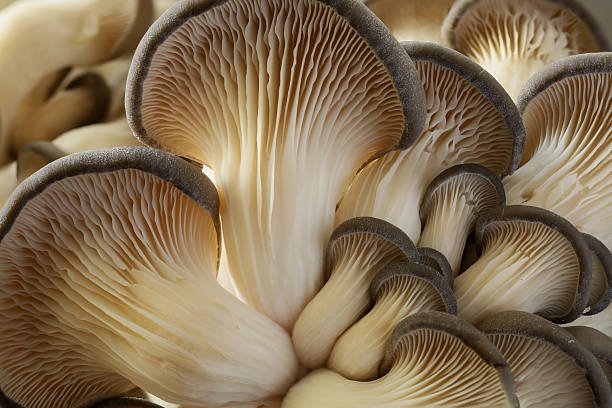
Psychedelic Mushroom Microdosing and Mental Health: What Does the Science Really Say in 2026?
Mental health has become an increasingly important subject in modern healthcare, with researchers exploring new ways to understand psychological well-being, emotional regulation and the biological processes associated with depression and anxiety.
Among the areas receiving growing scientific attention is the relationship between psychedelic substances and the human brain. In particular, psilocybin, a naturally occurring psychoactive compound found in certain mushroom species, has become an important subject of neurological and psychiatric research.
One topic generating considerable discussion is psychedelic mushroom microdosing. Some people have associated the practice with improvements in mood, emotional balance, creativity and general psychological well-being. However, personal experiences are not the same as scientifically established outcomes.
1. Understanding Psilocybin and Its Relationship With the Brain
Psilocybin is a naturally occurring compound found in certain species of psychedelic mushrooms. After entering the body, it is converted into psilocin, which interacts with serotonin receptors in the central nervous system.
Serotonin is an important neurotransmitter involved in mood regulation, emotional processing, sleep, learning and memory. Psilocin’s interaction with the serotonin 5-HT2A receptor is particularly important in psychedelic research.
However, understanding how a substance interacts with the brain does not automatically establish that it provides a safe or effective mental health treatment.
2. What Is Microdosing in Psychedelic Research?
Microdosing is a term used in scientific literature to describe exposure to quantities of psychedelic substances that are intended not to produce the pronounced perceptual effects associated with conventional psychedelic experiences.
Some individuals report changes in emotional experiences, concentration and general well-being. Nevertheless, scientific definitions and research methods vary considerably. Personal accounts cannot establish that a substance caused reported changes.
3. Can Psychedelic Mushroom Microdosing Improve Mood?
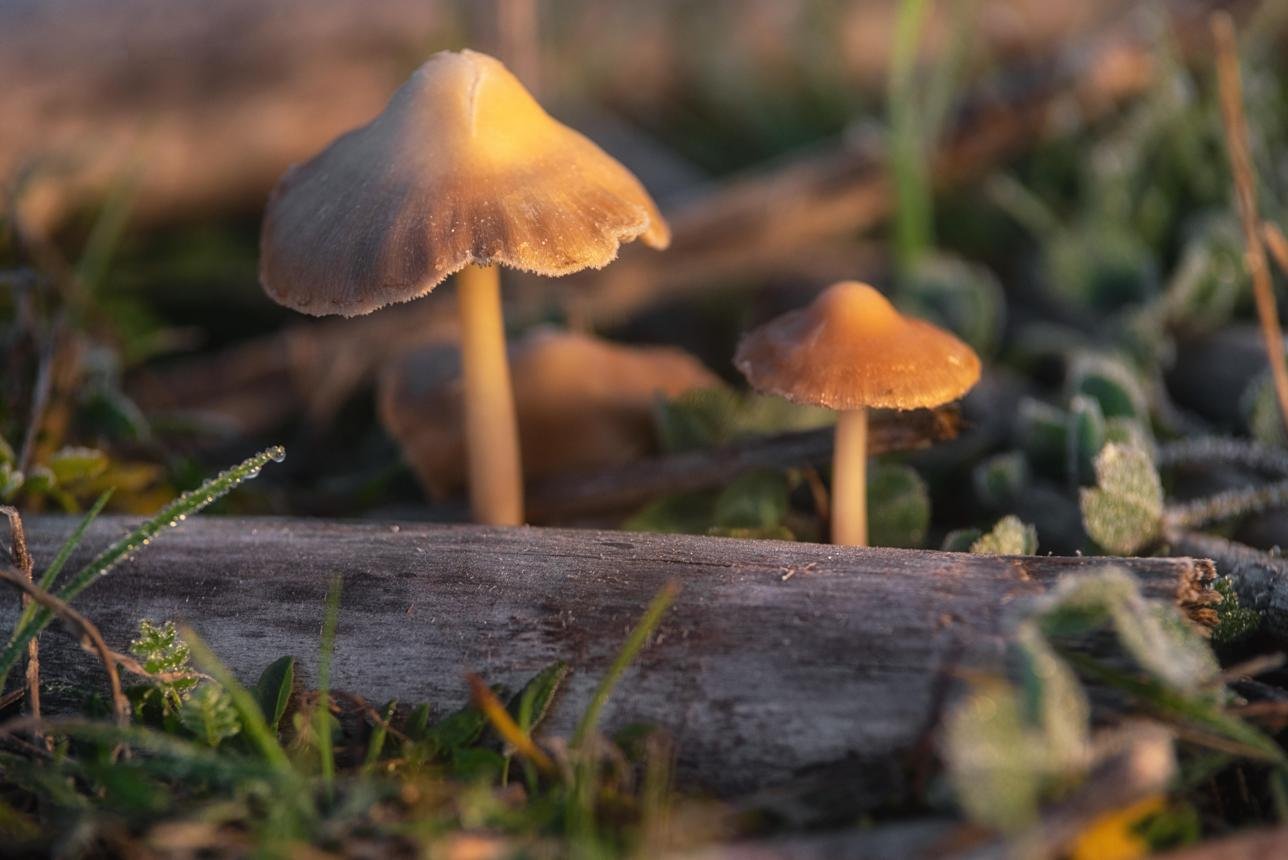
Some observational studies have documented reports of improved subjective emotional well-being, greater perceived emotional awareness and changes in everyday mood. However, positive reports do not necessarily demonstrate a direct pharmacological effect.
What Is the Placebo Effect?
The placebo effect describes changes in reported symptoms or experiences that can occur because of expectations and beliefs rather than the specific pharmacological action of an intervention.
What Does the 2026 Evidence Show?
Research into psychedelic microdosing has produced mixed findings. Controlled trials have not consistently demonstrated improvements in depressive symptoms, anxiety or stress compared with placebo. Larger and better-designed clinical trials are needed.
4. Psilocybin and Depression: Understanding the Scientific Connection
Depression is a complex mental health condition involving emotional, cognitive, biological and environmental factors. Traditional approaches include psychotherapy, prescribed medication when appropriate and other evidence-based interventions.
Scientists are investigating whether psychedelic-assisted therapy could provide additional treatment options for certain patients. However, supervised psychedelic-assisted therapy and microdosing are different research subjects, and findings from one cannot establish the effectiveness of the other.
5. Understanding the Relationship Between Serotonin and Emotional Health
Serotonin participates in several processes associated with emotional and cognitive functioning. Psilocin interacts with serotonin receptors, particularly 5-HT2A, which researchers are investigating in relation to perception, cognition and brain activity.
- Emotional processing.
- Perception and sensory experiences.
- Cognitive flexibility.
- Communication between brain networks.
These mechanisms are scientifically interesting, but they do not establish lasting mental health improvements from microdosing.
6. Microdosing, Cognitive Function and Creativity
Some observational studies have reported perceived improvements in concentration, creativity and productivity. However, controlled research has produced a more complicated picture.
A 2026 systematic review and meta-analysis examined cognitive outcomes associated with psychedelic microdosing. The findings did not establish an overall cognitive enhancement. This challenges the popular idea that microdosing consistently improves everyday productivity or mental performance.
Why Is Cognitive Control Important?
Cognitive control refers to the brain’s ability to regulate thoughts and actions in response to changing situations. It contributes to attention, decision-making, impulse control and managing competing information.
7. What Do Double-Blind Clinical Trials Reveal?
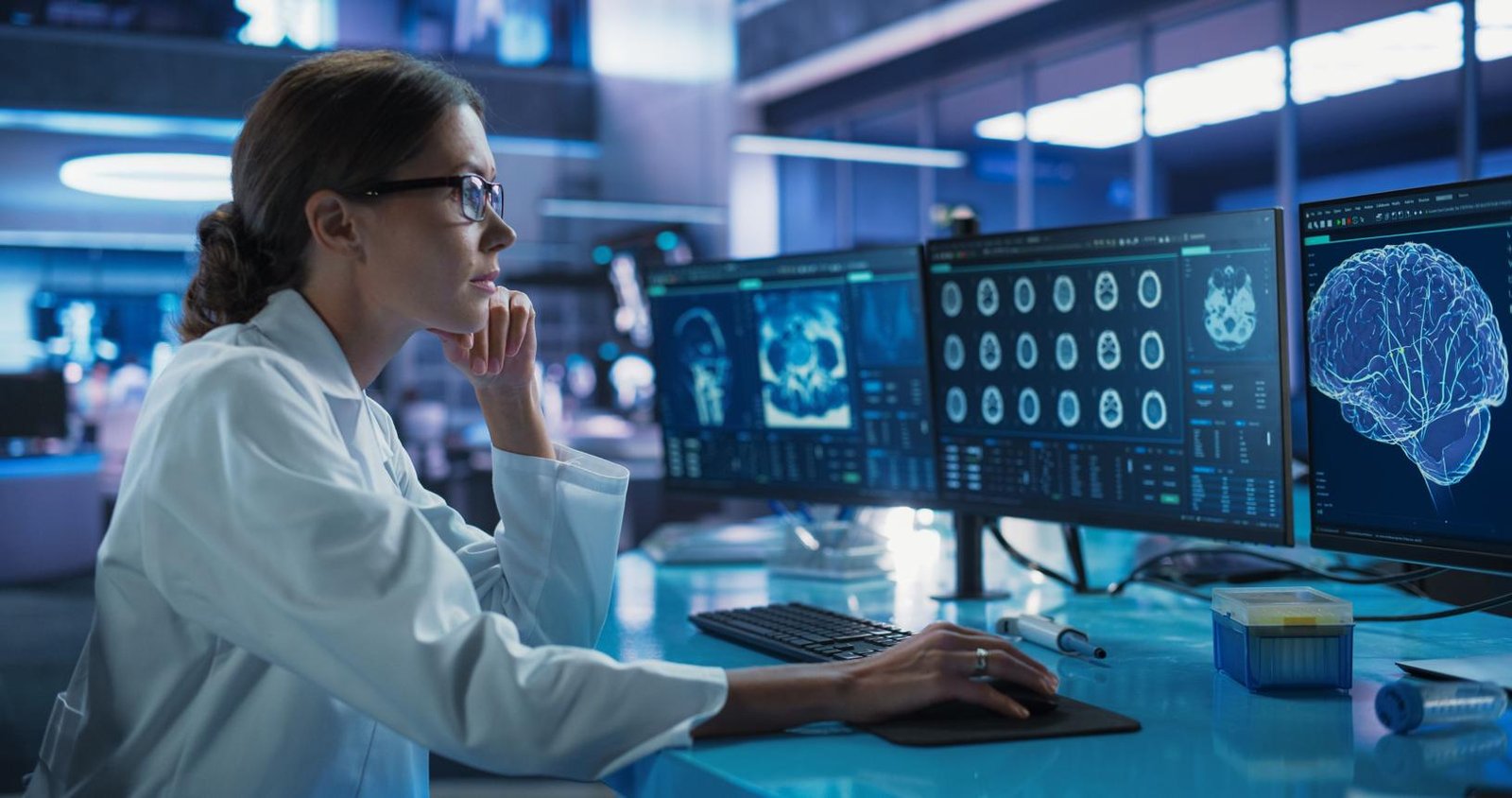
Double-blind randomized controlled trials help researchers reduce bias associated with expectations. This is particularly valuable in psychedelic research because participants may already have strong beliefs about potential effects.
Controlled trials are important for determining whether reported changes are attributable to the intervention or to other factors, including expectations and placebo effects.
8. Potential Risks and Safety Considerations
The fact that a substance occurs naturally does not mean it is automatically safe. Psilocybin is psychoactive and can influence perception, emotional responses and psychological functioning.
- Psychological distress, anxiety or confusion.
- Unpredictable individual responses.
- Additional concerns for people with certain psychiatric vulnerabilities.
- Uncertain cognitive effects.
- Insufficient evidence about long-term safety.
- Potential complications involving medications and underlying health conditions.
Psychedelic substances should not be viewed as substitutes for professional mental healthcare.
9. Why the Placebo Effect Matters in Psychedelic Research
When people believe an intervention will improve their mood, they may become more attentive to positive experiences. This can influence how they describe their psychological state.
Scientific research distinguishes between subjective measurements, such as self-reported mood, and independently assessed outcomes, such as standardized cognitive tests and clinical evaluations. Both can help researchers understand whether an intervention produces meaningful changes.
10. Why Scientific Findings About Microdosing Remain Inconclusive
Small Study Populations
Smaller studies may have difficulty detecting modest effects and identifying differences between participants.
Different Research Methods
Studies may use different definitions, participant selection criteria and psychological assessment tools.
Short Observation Periods
Long-term outcomes remain uncertain because many studies examine relatively short periods.
Self-Reporting Limitations
Personal questionnaires can be influenced by memory, expectations and individual interpretation.
Differences Between Research Populations
Findings involving healthy adults cannot automatically be applied to individuals experiencing psychiatric conditions.
11. Microdosing Research Versus Psychedelic-Assisted Therapy
| Research area | Main focus |
|---|---|
| Microdosing research | Investigating possible effects of low-level psychedelic exposure. |
| Psychedelic-assisted therapy | Investigating supervised treatment alongside psychological support. |
| Neuroscience research | Understanding how psychedelic substances influence brain activity. |
| Clinical safety research | Evaluating adverse effects and potential medical risks. |
Results from psychedelic-assisted therapy cannot be used as proof that microdosing is effective. The clinical environment, psychological support and research protocols are important parts of the treatment being investigated.
12. The Role of the FDA in Psychedelic Research
Regulatory oversight is an important aspect of psychedelic medicine. The United States Food and Drug Administration provides guidance on clinical investigations of psychedelic drugs. Such guidance concerns the development and evaluation of potential medicines; it does not mean that microdosing has been approved as a medical treatment.
13. What Could Future Psilocybin Research Reveal?
Long-Term Psychological Outcomes
Researchers need better evidence about whether reported psychological changes persist over time.
Individual Differences
People differ in their psychological backgrounds, medical histories and biological characteristics.
Brain Network Activity
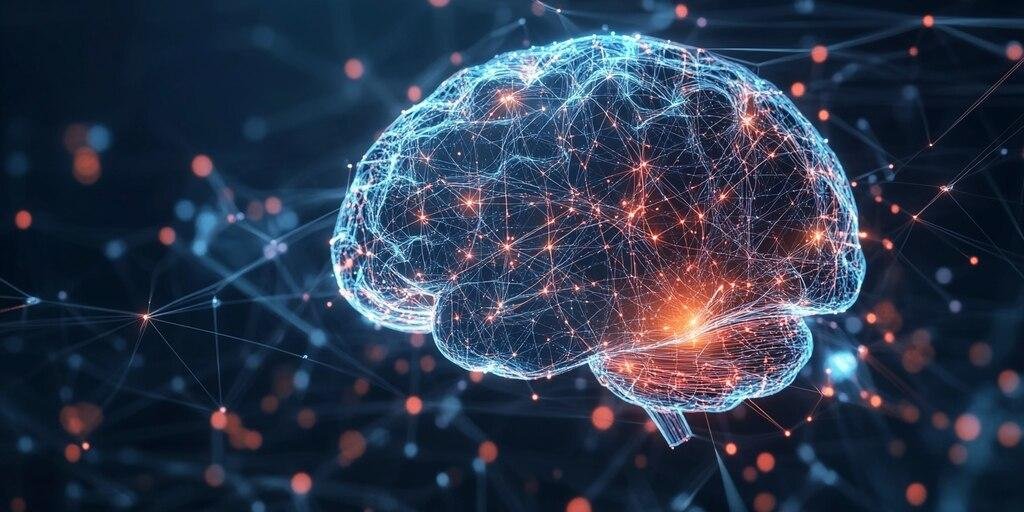
Scientists continue to investigate how psychedelic substances influence communication between different brain regions.
Clinical Effectiveness
Larger controlled trials are needed to determine whether specific interventions provide meaningful benefits for particular medical conditions.
Long-Term Safety
More comprehensive safety monitoring is necessary to understand possible consequences of repeated exposure.
14. Should People Consider Microdosing for Mental Health?
Microdosing should not be considered an established mental health treatment. Current evidence does not demonstrate consistent psychological benefits beyond placebo.
People experiencing depression, anxiety or other persistent psychological difficulties should seek guidance from qualified healthcare professionals. Evidence-based support may include psychotherapy, appropriate medical treatment and other interventions recommended by healthcare providers.
15. Separating Scientific Evidence From Popular Claims
The popularity of psychedelic research has created an environment in which scientific findings can sometimes be exaggerated. A preliminary study may receive widespread attention before its findings have been independently replicated.
Readers should ask whether research involved human participants, whether it was randomized and placebo-controlled, how many participants were included, whether adverse effects were reported and whether other studies produced similar findings.
Frequently Asked Questions About Psychedelic Mushrooms and Mental Health
1. Can psychedelic mushroom microdosing improve mental health?
Some observational studies report positive associations with subjective well-being. Controlled research has not established consistent improvements in depression, anxiety or stress beyond placebo.
2. What is psilocybin?
Psilocybin is a naturally occurring psychoactive compound found in certain mushroom species. It is converted into psilocin in the body.
3. Does psilocybin affect serotonin?
Yes. Psilocin interacts with serotonin receptors, particularly the 5-HT2A receptor.
4. Is psychedelic microdosing scientifically proven to treat depression?
No. Current evidence does not establish microdosing as an effective treatment for depression.
5. What has microdosing research discovered?
Research has produced mixed findings, and controlled trials have not consistently demonstrated psychological or cognitive benefits beyond placebo.
6. Can psychedelic mushrooms improve creativity?
Some observational studies report perceived improvements, but controlled research has not established a reliable overall cognitive enhancement.
7. What is the difference between psilocybin and psilocin?
Psilocybin is the compound found in certain mushrooms. Psilocin is the active compound produced when the body metabolizes it.
8. Are the long-term effects of microdosing understood?
No. More research is needed to establish the long-term safety of repeated exposure.
9. Is psychedelic-assisted therapy the same as microdosing?
No. Psychedelic-assisted therapy is investigated in structured clinical settings with professional supervision and psychological support.
10. Is psilocybin approved as a mental health treatment?
Regulatory status depends on the country and specific medical application. Research findings alone do not establish regulatory approval.
11. Why do some people report positive experiences when clinical trials show limited benefits?
Expectations, placebo effects, individual differences and environmental factors may influence subjective experiences.
12. What is the future of psychedelic mental health research?
Future studies will need to investigate long-term safety, brain activity, clinical effectiveness and differences between supervised treatments and other forms of psychedelic exposure.
Final Thoughts: A Promising Research Area That Requires More Evidence
The relationship between psychedelic mushrooms and mental health represents an important and developing area of neuroscience and psychiatric research.
Psilocybin has attracted considerable scientific interest because of its interaction with serotonin receptors and its potential relevance to psychological functioning.
Research into supervised psilocybin-assisted therapy has produced encouraging findings in certain clinical settings. However, the evidence surrounding microdosing remains considerably more uncertain.
The current evidence does not establish that psychedelic mushroom microdosing reliably improves mood, reduces depression or enhances cognitive performance beyond placebo.
More comprehensive clinical trials, longer observation periods and improved safety assessments are necessary before stronger conclusions can be reached.
As psychedelic research continues to develop, scientific accuracy and responsible reporting will remain essential to understanding its potential role in mental healthcare.
Scientific References and Further Reading
- PubMed – Medical and scientific research database
- United States Food and Drug Administration
- Nature – Scientific research publications
- Springer Nature – Scientific publications
- ScienceDirect – Neuroscience and pharmacology research
Medical disclaimer: This article is for educational purposes only. It does not constitute medical advice, diagnosis or treatment recommendations. Psilocybin is a psychoactive substance, and its legal status varies by jurisdiction. Consult a qualified healthcare professional about mental health concerns.

Magic Mushies UK: Legal Facts, Risks & Golden Teachers Explained
Interest in Magic Mushies UK has grown quickly as more people search online for information about psilocybin mushrooms, psychedelic research, and popular varieties such as Golden Teachers. Some people are curious because of documentaries, podcasts, clinical studies,...

Best Mushroom Growing Kits UK for Home Cultivation
Growing mushrooms at home has become one of the fastest-growing gardening and wellness trends across the UK. Whether you want fresh gourmet ingredients for cooking , a sustainable indoor hobby, or an easy introduction to home cultivation, choosing the right mushroom...