
Interest in psychedelic research has grown as scientists investigate new ways to understand depression, anxiety and emotional wellbeing. One subject attracting attention is psilocybin microdosing and mental health, particularly claims that small amounts of psilocybin may influence mood, Psilocybin microdosing and mental health , focus and psychological wellbeing.
Psilocybin is a naturally occurring psychedelic compound found in certain mushroom species. Although some people report positive experiences, personal accounts are not the same as scientific proof.
Recent studies have produced mixed findings. Some observational research describes perceived improvements, while controlled studies have not established consistent benefits beyond placebo. Researchers are also examining possible psychological risks and unanswered questions about long-term safety.
So, can psilocybin microdosing genuinely aid mental health? This article looks at what current research shows, what scientists still do not know, Psilocybin microdosing and mental health, and why it is important to approach popular claims with caution.
What Is Psilocybin?
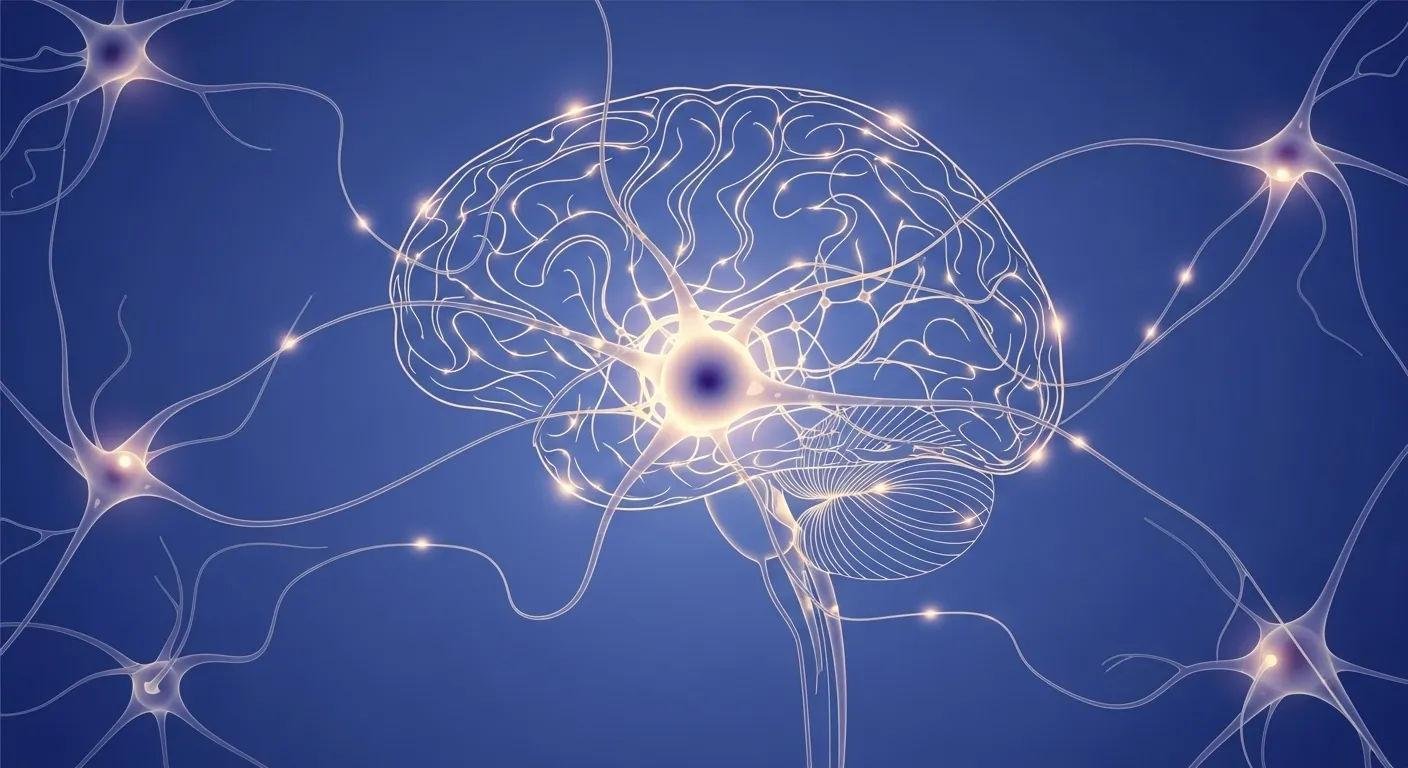
Psilocybin is a naturally occurring psychedelic compound found in certain mushroom species. After entering the body, it is converted into psilocin, which interacts with serotonin receptors in the brain.
Serotonin is a chemical messenger involved in several important functions, including mood, sleep, appetite and emotional processing.
Scientists study psilocybin because its effects on brain signalling may help them understand perception, emotional responses and psychological processes.
However, research into supervised psilocybin-assisted therapy and research into microdosing are different. Findings from one approach cannot automatically be applied to the other.
Why Has Psilocybin Microdosing Attracted Attention?
Interest has grown partly because some adults have shared personal accounts describing changes in their mood, emotional wellbeing and everyday experiences.
These reports have encouraged researchers to investigate whether the perceived effects can be measured scientifically.
Some of the main research questions include:
Can reported changes in mood be measured objectively?
Are perceived improvements greater than placebo effects?
Do findings remain consistent across different studies?
What psychological and physical risks should be considered?
What is currently known about longer-term safety?
These are scientific questions, not established treatment benefits. Personal experiences can help researchers identify topics worth studying, Psilocybin microdosing and mental health but they cannot prove that a substance treats a mental health condition.
What Does Scientific Research Say?
Research published in 2026 provides a mixed picture. Some observational studies describe perceived improvements, but controlled studies have not established consistent mental health benefits.
1. A 2026 systematic review and meta-analysis
A systematic review and meta-analysis published in 2026 examined 24 studies involving 3,681 adults.
The researchers found that controlled trials did not demonstrate consistent immediate improvements in depression, anxiety or stress compared with placebo.
Some observational studies reported positive experiences, but these findings were less reliable because expectations, personal circumstances and other factors may have influenced the results.
The researchers concluded that larger and better-designed clinical trials are needed before firm conclusions can be reached.
PubMed
2. A 2026 review of psilocybin mushroom and truffle research
A separate systematic review published in Frontiers in Psychiatry examined 11 studies involving 3,262 adults.
Some participants described perceived improvements in wellbeing and mental health. However, the evidence included self-reported experiences and studies with different research methods.
The authors highlighted the low certainty of the available evidence and explained that the findings could not establish a direct cause-and-effect relationship between microdosing and improved mental health.
Frontiers+1
3. An umbrella review of mood and cognitive outcomes
Another 2026 review examined existing research into psychedelic microdosing and its relationship with mood and cognitive performance.
The findings did not support reliable cognitive enhancement. Psilocybin microdosing and mental health, Reported mood improvements were also less convincing when researchers considered placebo-controlled evidence.
The authors emphasised the need for more rigorous studies before clinical recommendations could be considered.
What Do These Findings Mean?
The available evidence does not establish microdosing as an effective treatment for mental health conditions.
| Research question | What current evidence suggests |
|---|---|
| Does it reliably improve mood? | Not established |
| Does it treat depression? | Not established |
| Does it reduce anxiety? | Not established |
| Does it improve cognitive performance? | No consistent evidence |
| Are long-term effects understood? | No |
| Is it an established treatment? | No |
The important distinction is between something people report experiencing and something controlled scientific research has demonstrated.
Understanding the Placebo Effect
The placebo effect is an important consideration in research involving substances that attract strong public attention.
It occurs when a person’s expectations or beliefs contribute to perceived changes in their symptoms or wellbeing Psilocybin microdosing and mental health, even when the intervention itself has no specific therapeutic effect.
For example, someone who expects a treatment to improve their mood may interpret ordinary changes in energy, motivation or emotions as evidence that it is working.
This does not mean personal experiences are necessarily invented. It means researchers need carefully controlled studies to determine what causes the reported changes.
Placebo-controlled trials help scientists distinguish the effects of an intervention from expectations and other influences.
What Are the Potential Mental Health Risks?
Safety is an important part of the scientific discussion. It should not be assumed that a substance is harmless simply because it is described as a microdose.
Reported or recognised concerns associated with psilocybin exposure include:
Anxiety and psychological distress.
Changes in perception and thinking.
Confusion or difficulty concentrating.
Sleep disruption.
Unexpected emotional reactions.
Unpredictable effects between individuals.
People with certain psychiatric vulnerabilities may face additional concerns. Researchers also need more information about possible long-term effects.
The US National Center for Complementary and Integrative Health explains that psilocybin research still involves important safety uncertainties.
NCCIH
A lack of complete information about harm is not proof of safety. Both potential benefits and risks need to be investigated through appropriate research.
Can Psilocybin Microdosing Replace Professional Mental Health Treatment?
No. Current evidence does not establish psilocybin microdosing as a replacement for professional mental health care.
Depression, anxiety and other mental health conditions can affect people differently. Appropriate care depends on an individual’s circumstances, Psilocybin microdosing and mental health, symptoms and needs.
Evidence-based support may include:
Speaking with a qualified healthcare professional.
Psychological therapies recommended by a clinician.
Professional assessment of persistent symptoms.
Clinician-supervised treatment when medication is appropriate.
Support from trusted family members or responsible adults.
Anyone experiencing ongoing emotional difficulties should seek qualified support rather than relying on unproven substances or online claims.
Why More Clinical Research Is Needed
Scientists still have several important questions to answer.
Better controlled trials: Studies need appropriate comparison groups to help distinguish genuine effects from expectations and placebo responses.
Larger participant groups: Small studies may not represent the wider population, making their findings difficult to generalise.
Long-term safety information: Researchers need to understand possible effects over longer periods, not only immediate outcomes.
Reliable measurements: Standardised assessments would make it easier to compare findings across different studies.
Different populations: Results from adult studies cannot automatically be applied to adolescents or other groups.
Until these gaps are addressed, claims that microdosing is an effective mental health intervention should be treated with caution.
Frequently Asked Questions
Can psilocybin microdosing improve mental health?
Some adults have reported positive experiences in observational studies. However, controlled research has not established consistent improvements in depression, anxiety or stress.
Does psilocybin microdosing treat depression?
There is currently insufficient evidence to establish it as a treatment for depression. It should not be considered a substitute for professional diagnosis or evidence-based care.
Can it reduce anxiety?
Some observational research describes perceived reductions in anxiety. However, controlled findings have not demonstrated a reliable benefit over placebo.
Is psilocybin microdosing safe?
Its safety, particularly over the long term, is not sufficiently established. Potential psychological and physical effects remain important research concerns.
Is microdosing the same as psilocybin-assisted therapy?
No. These are different research approaches. Findings from supervised clinical studies involving psychedelic-assisted therapy cannot automatically be applied to microdosing.
Why do some people report positive experiences?
Personal expectations, placebo effects, lifestyle changes and other factors may contribute to reported improvements. Current research has not established exactly what explains these experiences.
Conclusion: What Should We Believe About the Research?
Psilocybin microdosing has attracted considerable attention because of claims about mood, emotional wellbeing and mental health. However, scientific interest should not be confused with scientific proof.
Research published in 2026 shows that some adults report positive experiences, while controlled evidence has not established reliable improvements in depression, anxiety or stress. Questions about long-term safety also remain unanswered.
The most responsible conclusion is that psilocybin microdosing remains an unproven approach rather than an established mental health treatment.
Future research may provide clearer answers, but for now, mental health decisions should be guided by qualified professionals and treatments supported by reliable clinical evidence.
References
1. Efficacy and Safety of Psychedelic Microdosing on Psychological Outcomes in Healthy Adults: A Systematic Review and Meta-analysis (2026). View the research abstract.
2. The subtle science: A systematic review of psilocybin magic mushroom and truffle microdosing (2026). Frontiers in Psychiatry. Read the systematic review.
3. Classical psychedelic microdosing, mood, and cognitive function: An umbrella review with narrative synthesis (2026). Read the umbrella review.
4. National Center for Complementary and Integrative Health. Psilocybin for Mental Health and Addiction: What You Need To Know. Read the health information.
Mushroom Chocolate Bars UK: Ingredients, Safety & Law
Mushroom chocolate bars uk have become a topic of growing interest among people searching for information about mushroom-based confectionery, functional mushroom ingredients and psychedelic mushroom products. Although these products may look similar on the outside,...

Magic Mushroom Chocolate Bars | Full Guide
Magic mushroom chocolate bars have become a widely discussed topic across online psychedelic communities. The combination of chocolate and psychedelic mushrooms is often presented online as a convenient or appealing format, but there is much more to understand than...
What Is DMT? | DMT Full Guide
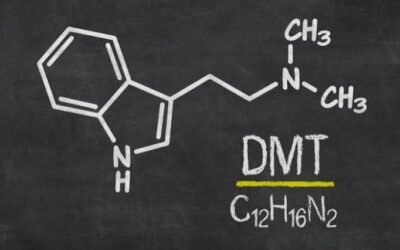
DMT is one of the most well-known psychedelic compounds in modern drug culture and scientific research. The name is short for N,N-dimethyltryptamine, a naturally occurring psychedelic compound that belongs to the tryptamine family. People searching online for dmt for...
The Magic Mushroom Trip: A Safety & Preparation Guide
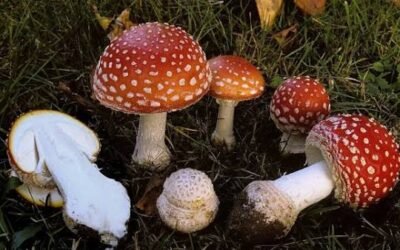
A magic mushroom trip is not a predictable or identical experience for everyone, buy mushrooms magic. Psilocybin-containing mushrooms can affect perception, emotions, thought patterns and a person's sense of time and self. For some people, experiences may be described...

Magic Mushroom Strains: The Complete Guide
Magic mushrooms are a fascinating group of fungi that have attracted interest because of their history, biology, cultural significance and psychedelic properties. The term “magic mushrooms” generally refers to mushrooms containing naturally occurring compounds such as...

🍄 Psychedelic Mushrooms UK: Prices, Effects & Safety Guide
🍄 Psychedelic Mushrooms UK: The Complete Guide to Prices, Effects & Safe Use Published: July 2026 • 10 min read 📑 In This Guide What Are Psychedelic Mushrooms? How Psilocybin Affects the Brain How Much Are Magic Mushrooms? (UK) Popular Magic Mushroom Strains How to...