
Introduction
N,N-Dimethyltryptamine, commonly known as DMT, is a powerful psychoactive compound that has attracted scientific interest because of its effects on human consciousness, perception and brain activity.
As research into psychedelic substances continues, scientists are investigating how DMT interacts with the nervous system, influences communication between brain regions and affects psychological processes.
However, increasing scientific interest should not be confused with evidence of safety. Vaping DMT introduces additional health concerns, particularly when products contain unverified ingredients or contaminants.
Understanding DMT vaping health risks requires examining both the pharmacological effects of DMT and the potential consequences of inhaling substances through vaping devices.
This article provides an educational overview of DMT, its effects on the human body, current scientific understanding, potential complications and important safety considerations.
1. What Is DMT?
DMT is a naturally occurring chemical compound belonging to a class of substances known as tryptamines. Its chemical structure shares certain similarities with serotonin, a neurotransmitter involved in several biological functions.
DMT can significantly influence perception, thinking, emotional responses and consciousness.
Scientists study the compound to better understand how chemical interactions within the brain influence human experiences.
Despite its natural occurrence, DMT is not inherently safe. Naturally occurring substances can have powerful pharmacological effects and present significant health risks.
2. Understanding DMT Vape Cartridges
DMT vape cartridges are vaping products associated with preparations containing dimethyltryptamine.
Unlike regulated pharmaceutical preparations used in scientific research, unregulated cartridges may lack independent verification of their contents, purity and manufacturing standards.
This creates uncertainty surrounding their chemical composition and potential health effects.
The risks associated with these products involve both exposure to a powerful psychoactive substance and exposure to potentially harmful inhaled chemicals.
A product’s appearance, packaging or advertised ingredients cannot establish its safety.
3. How Does DMT Affect the Human Brain?
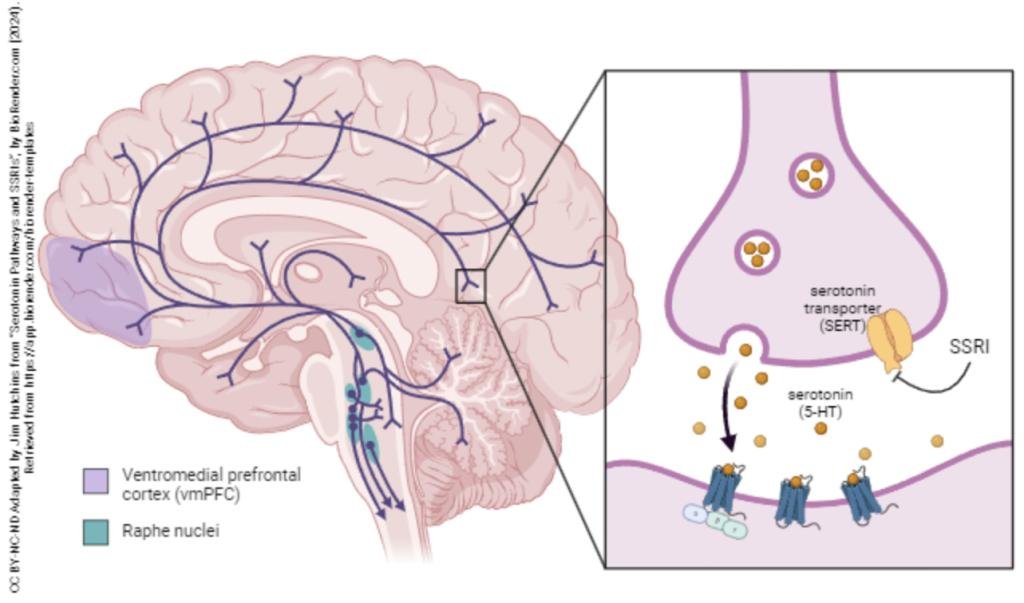
The brain is one of the primary systems affected by DMT.
Researchers have identified interactions between DMT and several serotonin receptors, particularly the 5-HT2A receptor.
Serotonin receptors participate in processes involving mood, cognition, sensory perception, emotional regulation and consciousness.
When these signalling pathways are disrupted, individuals may experience significant alterations in their perception and understanding of their surroundings.
3.1 Changes in Brain Connectivity
Brain-imaging research has investigated how DMT influences communication between different regions of the brain.
Scientists use technologies such as functional magnetic resonance imaging (fMRI) and electroencephalography (EEG) to examine these changes.
Research has identified temporary alterations in the organisation and coordination of brain activity.
However, changes in brain connectivity do not necessarily represent improvements in brain function or neurological health.
3.2 Effects on Cognitive Function
DMT can temporarily disrupt normal cognitive processes, including attention, judgement, reasoning, memory and spatial awareness.
These changes may interfere with someone’s ability to understand their surroundings or respond appropriately to environmental risks.
The intensity and nature of psychological reactions can vary considerably.
4. Effects of DMT on the Human Body
DMT can influence multiple biological systems beyond the brain.
4.1 Central Nervous System
The central nervous system controls many essential functions, including movement, sensation, information processing and consciousness.
DMT can interfere with normal sensory processing and cause confusion, disorientation and impaired awareness.
These effects can create additional risks when someone is unable to recognise hazards or communicate effectively.
4.2 Cardiovascular System
Research has documented cardiovascular responses associated with DMT, including increased heart rate and elevated blood pressure.
These effects may place additional strain on the cardiovascular system, particularly in individuals with underlying medical conditions.
The cardiovascular response is one reason clinical researchers monitor participants closely during controlled studies.
4.3 Respiratory System
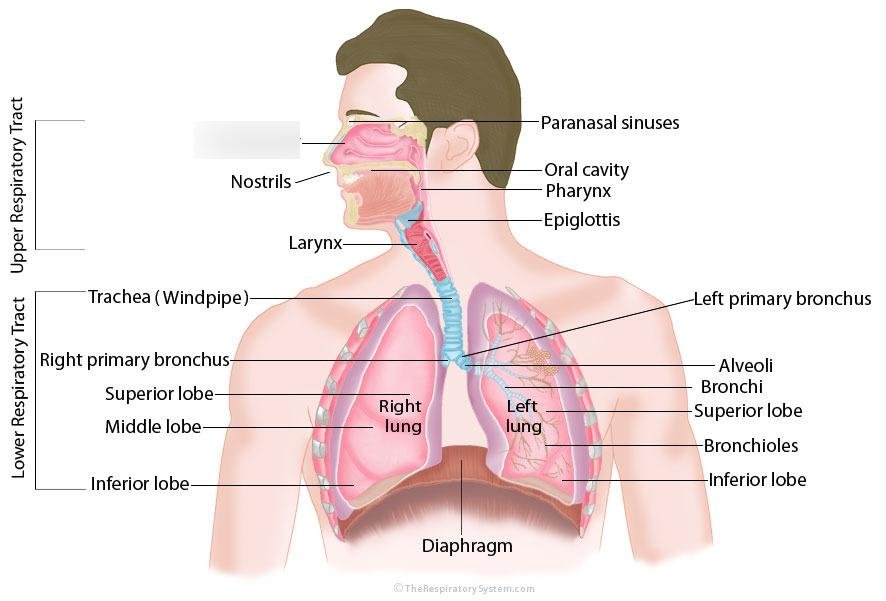
Vaping introduces separate concerns involving respiratory health.
Inhaling aerosols may expose the lungs to irritating chemicals, contaminants and substances produced during heating.
Potential respiratory complications include coughing, airway irritation, breathing difficulties and lung inflammation.
The specific long-term respiratory effects of DMT vaping have not been adequately established.
4.4 Digestive System
Physical reactions associated with psychedelic substances can include nausea, vomiting and gastrointestinal discomfort.
The severity of these reactions varies, and unexpected ingredients in unregulated products may introduce additional complications.
4.5 Psychological Health
DMT can produce unpredictable psychological reactions.
Some individuals may experience intense anxiety, panic, confusion or emotional distress. People with certain psychiatric vulnerabilities may face additional risks.
Psychological reactions should not be dismissed simply because the immediate pharmacological effects eventually subside.
5. Scientific Research Into DMT
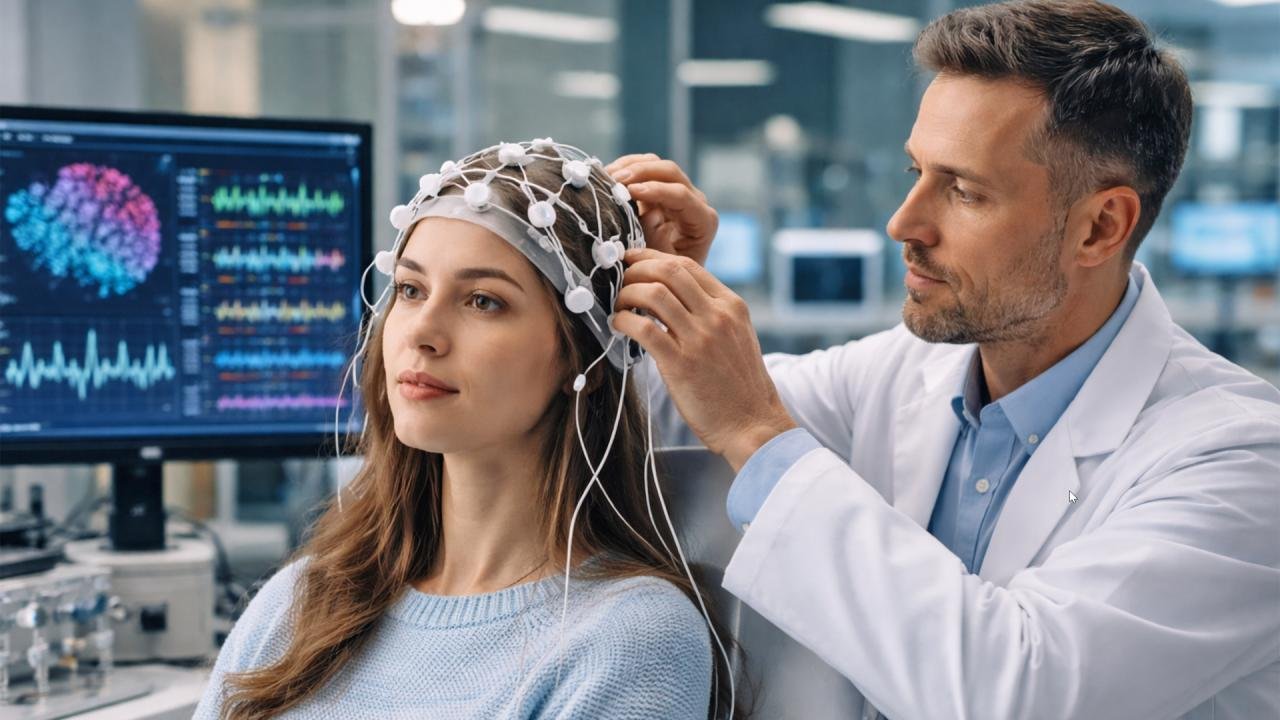
Scientific interest in DMT extends across neuroscience, psychology, pharmacology and psychiatric research.
Researchers are investigating how psychedelic compounds influence brain activity and whether carefully controlled pharmaceutical interventions may have future medical applications.
5.1 DMT and Consciousness Research
Consciousness remains one of the most complex subjects in neuroscience.
Researchers have investigated DMT because its effects can produce significant alterations in subjective awareness.
Studying these changes may help scientists understand how brain activity contributes to perception and conscious experience.
However, this research does not establish that DMT improves consciousness or cognitive abilities.
5.2 Mental Health Research
Some early clinical investigations have explored pharmaceutical DMT in relation to psychiatric conditions, including depression.
Researchers are examining possible psychological outcomes, adverse effects and the relationship between brain activity and emotional processing.
The evidence remains developing. Findings from controlled adult clinical studies cannot establish that unregulated DMT vaping provides mental health benefits.
5.3 DMT and Neuroplasticity
Neuroplasticity describes the brain’s ability to adapt its structure and function.
Laboratory researchers have investigated whether certain psychedelic compounds influence cellular processes associated with neural adaptation.
Although these findings are scientifically interesting, much of the evidence comes from experimental models.
There is insufficient evidence to conclude that DMT vaping repairs nerve cells, improves memory or prevents neurological disease.
6. Potential Short-Term and Long-Term Health Risks
The health consequences associated with DMT can involve both immediate reactions and complications that persist beyond the initial exposure.
Potential short-term risks | Potential longer-term concerns |
|---|---|
Anxiety and panic | Persistent psychological distress |
Increased heart rate | Uncertain cardiovascular consequences of repeated exposure |
Elevated blood pressure | Persistent perceptual disturbances |
Confusion | Possible worsening of psychiatric symptoms |
Nausea | Limited evidence about repeated exposure |
Respiratory irritation | Uncertain long-term respiratory effects |
Impaired judgement | Psychological difficulties |
The frequency and severity of longer-term complications are not fully established. More research is required to understand the consequences of repeated exposure.
7. Why Unregulated Vape Products Raise Additional Concerns
Product quality is an important consideration when examining vaping-related health risks.
Unregulated products may not undergo consistent independent testing or manufacturing oversight.
Potential concerns include unidentified chemical ingredients, contamination, inaccurate labelling, inconsistent chemical composition and harmful substances generated during heating.
These uncertainties make it difficult to predict the health consequences of exposure.
Even accurate ingredient labelling would not eliminate the inherent risks associated with DMT.
8. DMT Compared With Psilocybin
DMT and psilocybin are both classified as psychedelic compounds. However, they are chemically distinct and have different pharmacological properties.
Characteristic | DMT | Psilocybin |
|---|---|---|
Chemical classification | Tryptamine | Tryptamine derivative |
Brain interaction | Serotonin receptor activity | Serotonin receptor activity through psilocin |
Research areas | Consciousness and neuroscience | Neuroscience and psychiatric research |
Psychological risks | Anxiety, confusion and distress | Anxiety, confusion and distress |
Established general health benefits | Not established | Not established |
Unsupervised exposure | Carries health risks | Carries health risks |
Scientific findings involving one psychedelic substance should not automatically be applied to another.
9. DMT and Developing Brains
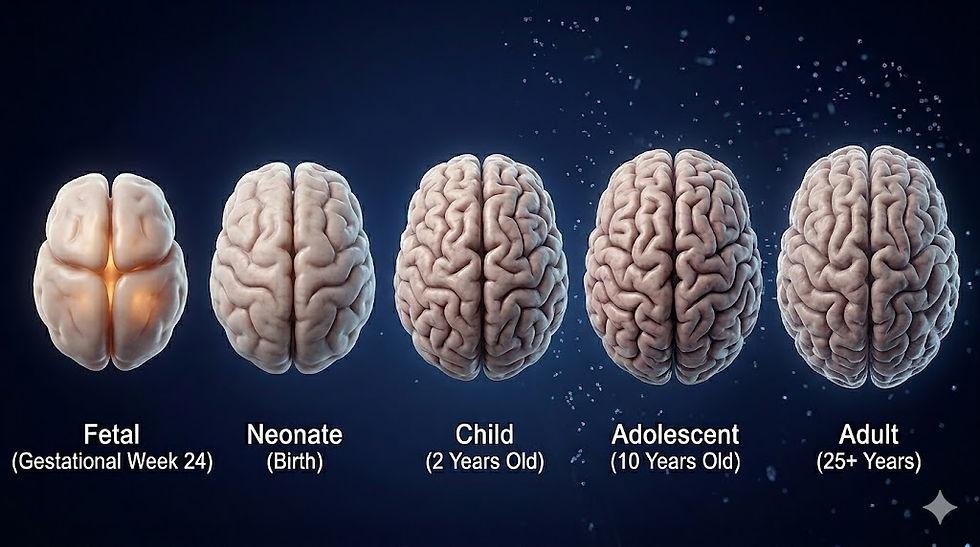
Brain development continues throughout adolescence and into early adulthood.
During this period, neurological systems associated with decision-making, emotional regulation, learning and impulse control continue to develop.
The effects of DMT exposure on developing brains have not been adequately studied.
This lack of evidence creates significant uncertainty regarding potential developmental and psychological consequences.
DMT vaping is not appropriate for children or teenagers.
10. Common Misconceptions About DMT
Natural substances are always safe
Natural origin does not establish safety. Many naturally occurring compounds can produce harmful biological effects.
Scientific research proves that DMT vaping is beneficial
Clinical research investigates specific pharmaceutical preparations under controlled conditions. It does not establish the safety or effectiveness of commercial vape cartridges.
Vaping eliminates health risks
Vaping introduces its own respiratory and chemical exposure risks. It does not eliminate the psychological or cardiovascular effects of DMT.
Changes in brain activity mean improved brain health
Altered brain activity is not necessarily beneficial. Researchers must establish meaningful health outcomes before making such conclusions.
DMT can cure mental health conditions
There is insufficient evidence to support claims that DMT vaping cures depression, anxiety or other psychiatric conditions.
11. When Medical Attention Is Necessary
Unexpected reactions to psychoactive substances can require urgent medical attention.
Warning signs include chest pain, difficulty breathing, loss of consciousness, seizures, severe confusion and persistent psychological distress.
Anyone experiencing these symptoms following exposure should receive urgent medical assistance. Young people should also inform a trusted adult.
Healthcare professionals should be informed about the suspected substance so they can assess the situation appropriately.
12. Frequently Asked Questions
What is DMT?
DMT, or N,N-dimethyltryptamine, is a psychoactive compound that interacts with serotonin receptors and can significantly alter perception, cognition and consciousness.
What are the main DMT vaping health risks?
Potential risks include psychological distress, impaired judgement, increased heart rate, elevated blood pressure, respiratory irritation and exposure to unidentified chemicals.
Does DMT affect serotonin?
Yes. DMT interacts with several serotonin receptors, including the 5-HT2A receptor, which is involved in perception and cognitive processes.
Can DMT affect the lungs?
Vaping can expose the respiratory system to potentially irritating chemicals and contaminants. The specific long-term pulmonary effects of DMT vaping remain insufficiently understood.
Does DMT improve brain function?
There is no established evidence that DMT vaping improves general brain function, intelligence, memory or neurological health.
Can DMT cause anxiety?
Yes. Anxiety, panic and emotional distress are recognised potential psychological reactions.
Is DMT being studied for depression?
Researchers have investigated pharmaceutical DMT in controlled clinical settings. These studies remain distinct from unsupervised exposure and commercial vaping products.
Are the long-term effects of DMT fully understood?
No. Additional research is needed to evaluate long-term psychological, neurological, cardiovascular and respiratory outcomes.
Can DMT interact with medications?
Potential interactions with medications affecting serotonin and other biological systems are a concern. Healthcare professionals should assess suspected interactions.
Is DMT legal?
DMT is a controlled substance in many jurisdictions. Its legal classification varies according to national and local legislation.
13. Conclusion
DMT is a powerful psychoactive compound that remains an important subject of neuroscience and pharmacological research.
Scientists continue to investigate its relationship with serotonin receptors, consciousness, brain connectivity and potential clinical applications.
Nevertheless, the available evidence does not establish that DMT vaping provides general health benefits or represents a safe medical intervention.
The psychological, cardiovascular and respiratory concerns associated with exposure, combined with uncertainties surrounding unregulated products, highlight the importance of understanding DMT vaping health risks.
Accurate scientific information, responsible health education and continued clinical research are essential for separating established evidence from unsupported claims.

The Health Benefits of Oyster Mushrooms: Nutrition, Wellness and How to Eat Them
The Health Benefits of Oyster Mushrooms: Nutrition, Wellness and How to Eat Them Oyster mushrooms are among the most popular edible mushrooms worldwide. Known for their delicate texture, savoury flavour and fan-shaped appearance, they are a versatile ingredient in...

Good Trip Chocolate: Ingredients, Effects and Safety Guide
Introduction The phrase Good Trip Chocolate may refer to a product name, a brand, or chocolate marketed for its association with psychedelic experiences. Before drawing conclusions about a particular product, it is important to establish exactly what it contains and...

5-MeO-DMT Online: Safety, 5-meo-dmt-online-guide
5-MeO-DMT Online: What You Need to Know About Safety, Legality and Risks Searching for 5-MeO-DMT online can lead to a wide range of websites, product descriptions and claims about psychedelic experiences. However, understanding what this substance is, how it differs...

How to Grow Shiitake Mushrooms at Home: Complete Guide
How to grow shiitake mushrooms at home is a rewarding way to learn about mushroom cultivation while producing a popular culinary mushroom for your kitchen. Known for their rich, savoury flavour and distinctive brown caps, shiitake mushrooms are widely used in soups,...

Mushroom Chocolate Bars UK: Ingredients, Safety & Law
Mushroom chocolate bars uk have become a topic of growing interest among people searching for information about mushroom-based confectionery, functional mushroom ingredients and psychedelic mushroom products. Although these products may look similar on the outside,...

Magic Mushroom Chocolate Bars | Full Guide
Magic mushroom chocolate bars have become a widely discussed topic across online psychedelic communities. The combination of chocolate and psychedelic mushrooms is often presented online as a convenient or appealing format, but there is much more to understand than...